Every card has a story.
The first pack. The favourite card. The details you notice years later. Explore the knowledge that makes collecting more considered—and a little more rewarding.
A closer look. A better understanding.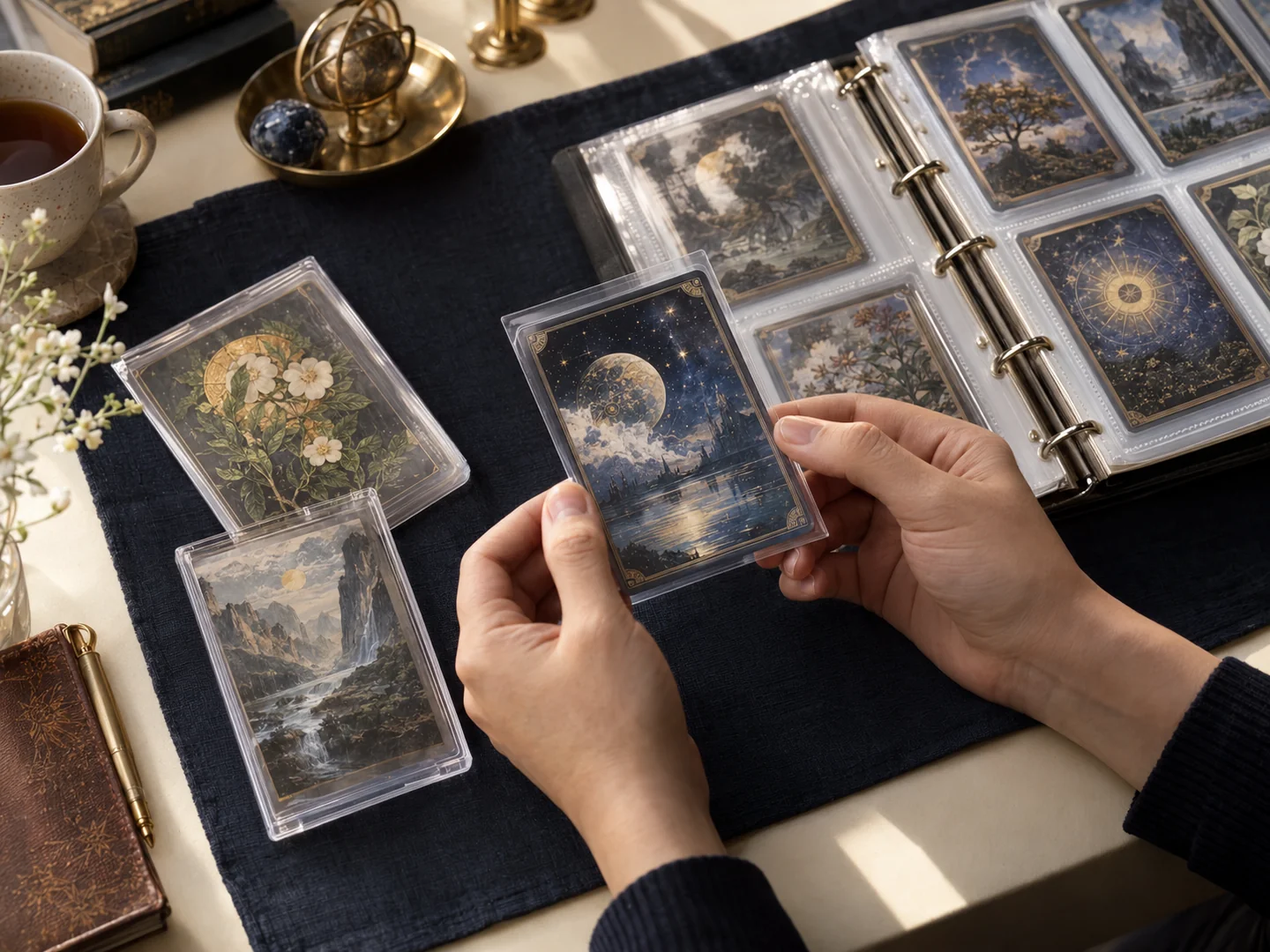 Collect the story. Care for the details.

The story behind a sealed box.
A historical auction opens a wider conversation about provenance, careful descriptions and collecting with curiosity.
2 min readRead the archive featureLook closer, one detail at a time.
Condition, certification and preparation, with the original guidance close at hand.

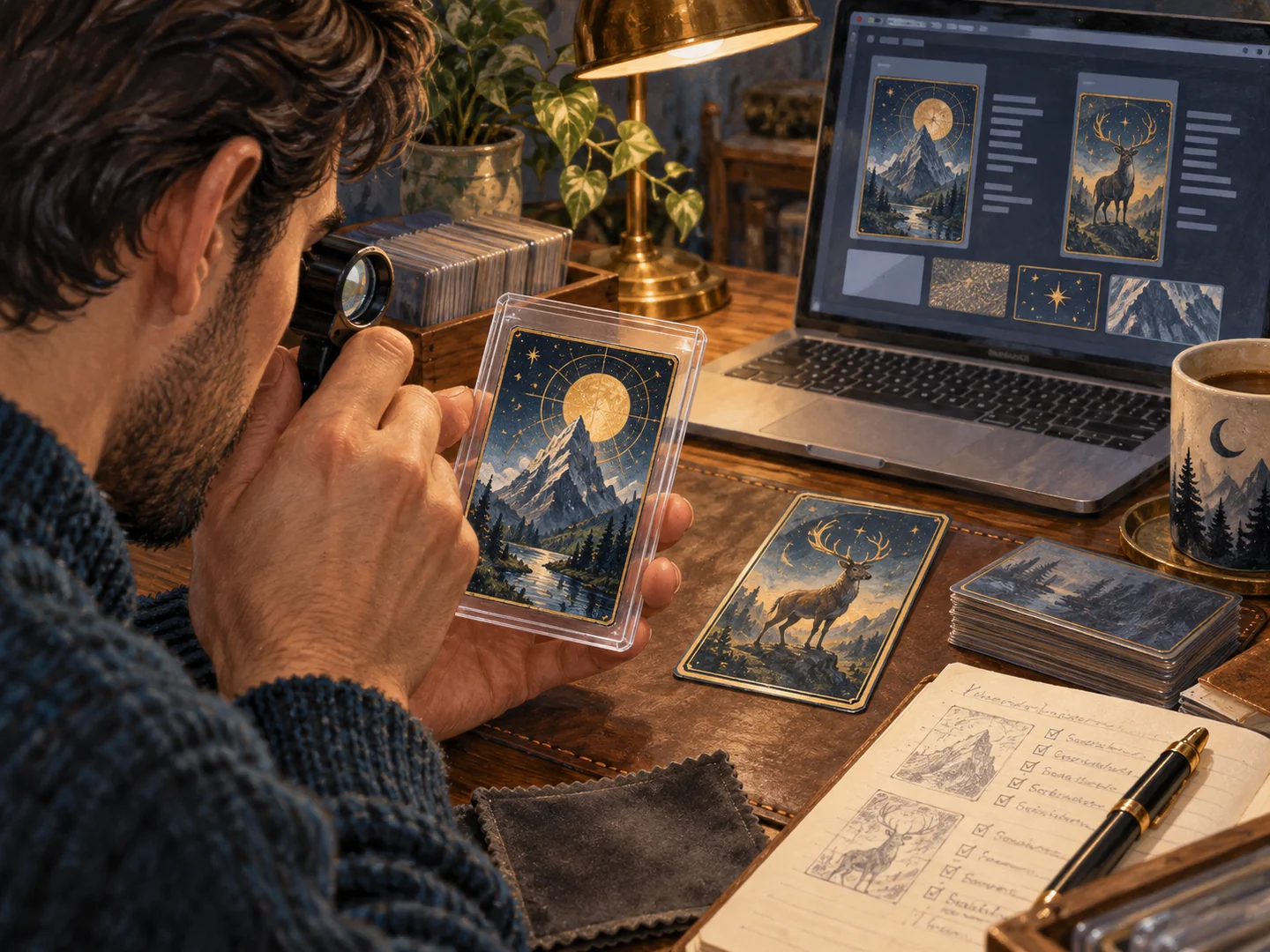
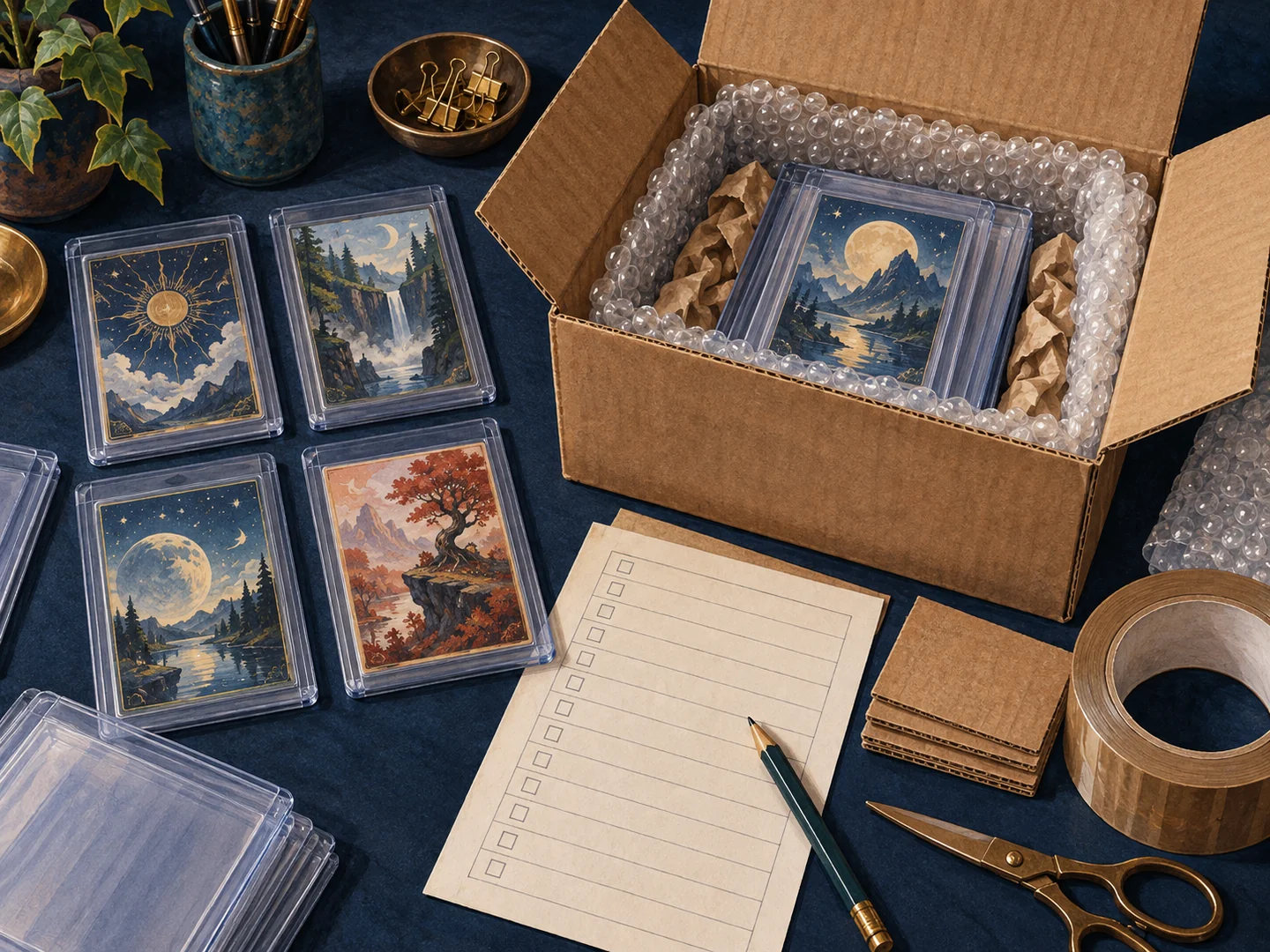
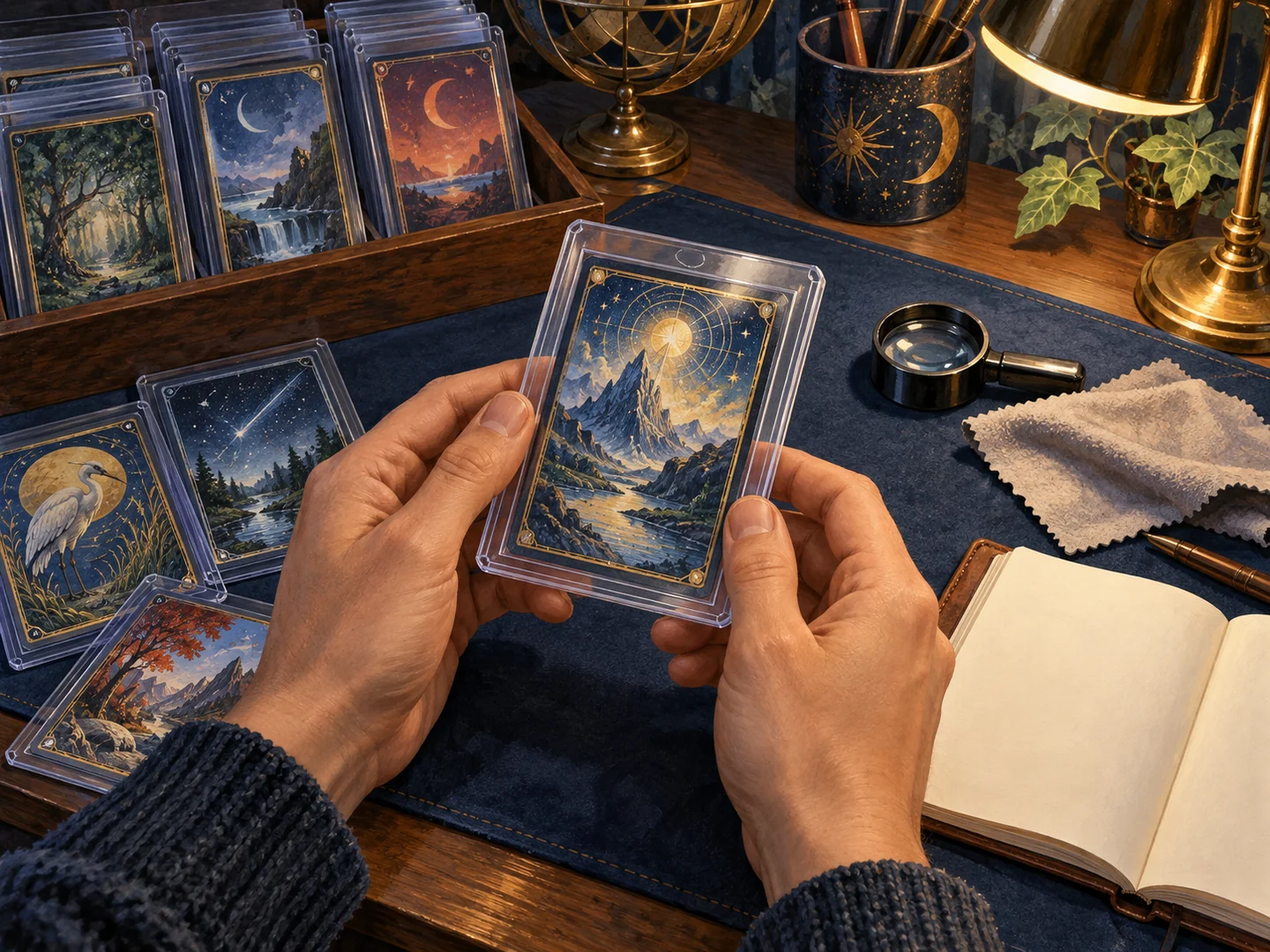
Make the collection your own.
Original guides, thoughtful examples and questions to take with you.

Pack weighing, and the question of trust.
What should a seller disclose when the uncertainty of a sealed pack is part of its appeal?
Read more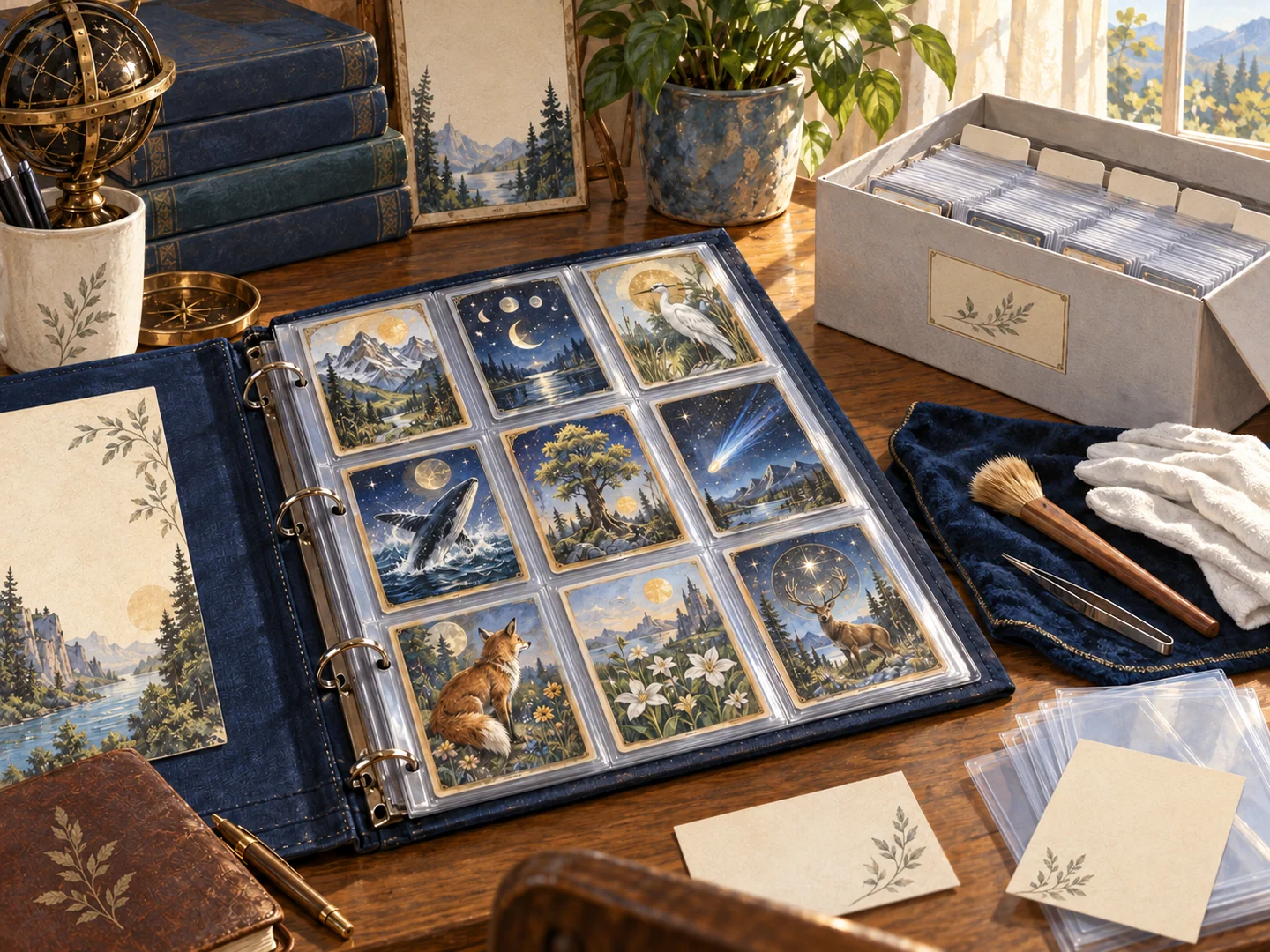
Keep the cards. Keep the memories.
Small habits that make a collection easier to handle and document.
Read more
The note you will be glad you kept.
A few lines can preserve the part of a collection a catalogue cannot describe.
Read more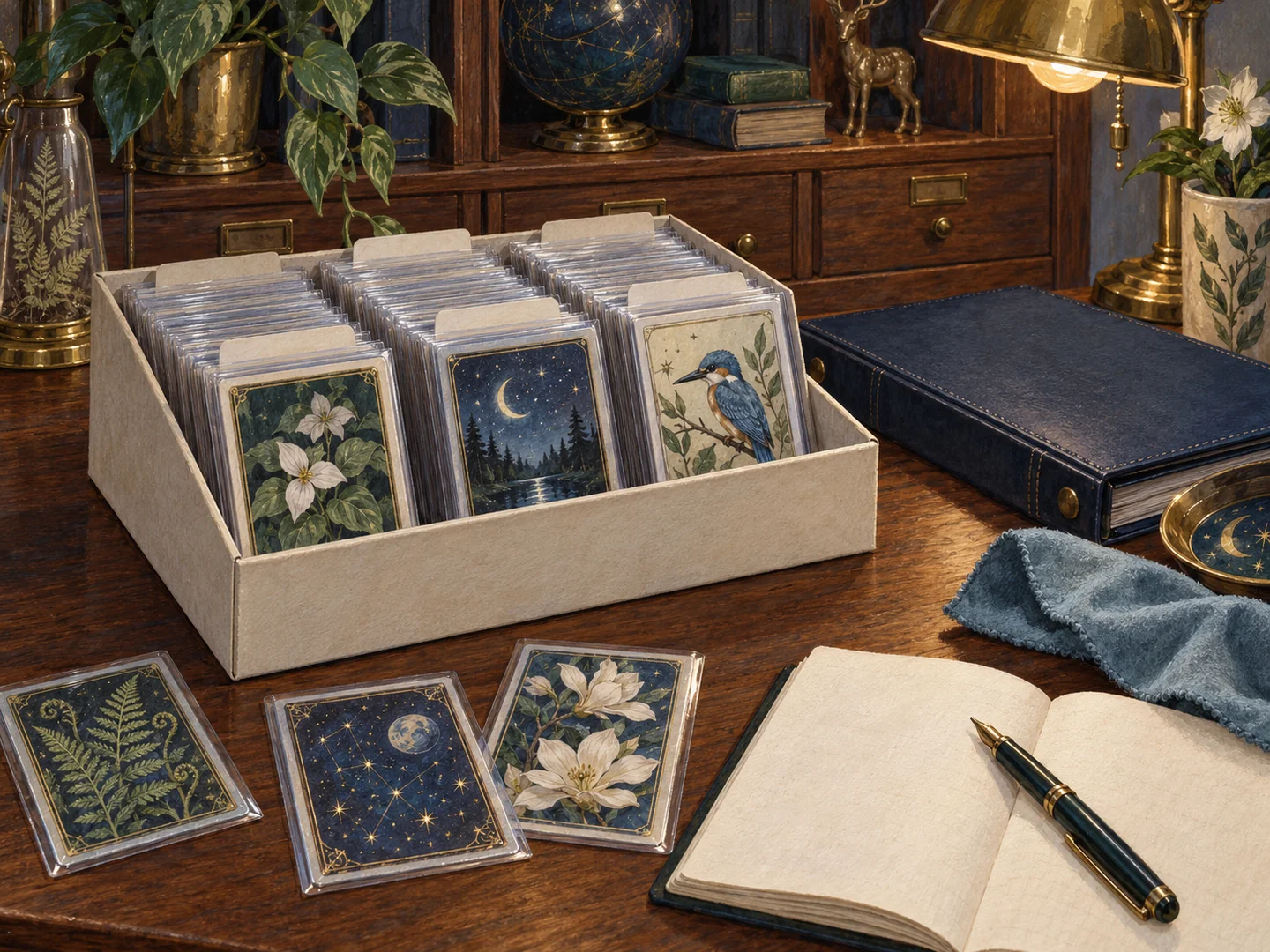
The details make the difference.
Learn what to look for before a submission, how to record a collection and why a good question can matter more than a headline.
Start with gradingWorth a closer read.
Trading Card Grading Scales: How Numbers, Labels and Subgrades Compare
Trading card grading scales may assess similar condition features, but their numbers, labels and reporting methods are not automatically interchangeable. Compare the complete label using the issuer’s definitions.
Read more ↗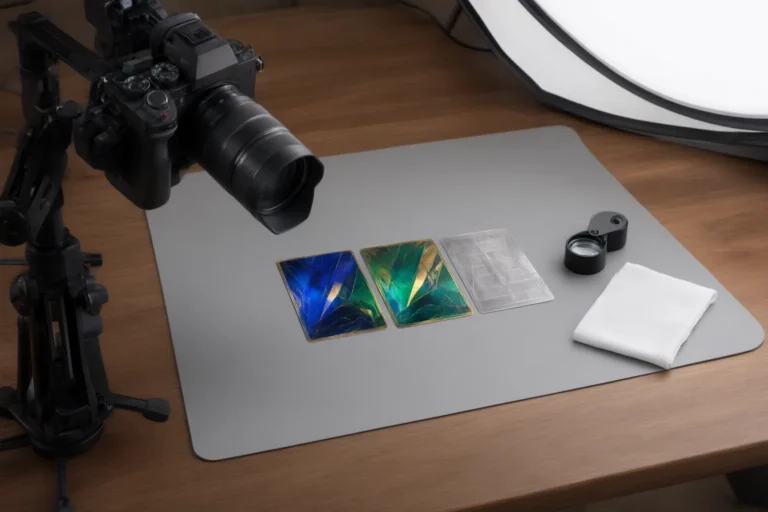
How to Take Trading Card Condition Photographs for Reliable Records
Create reliable trading card condition records with stable framing, even lighting, complete front and back photographs, useful defect close-ups, full-size review, restrained corrections, and a stable identifier for…
Read more ↗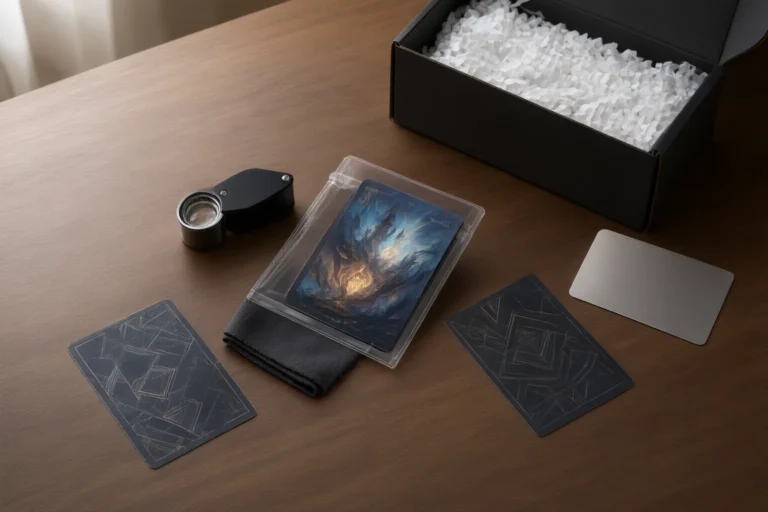
Trading Card Seller Checks: A Safer Online Buying Guide
Learn a repeatable process for reviewing a seller’s track record, verifying the exact card or sealed product, using protected payment services, saving transaction records, and inspecting the delivered…
Read more ↗The latest reads.
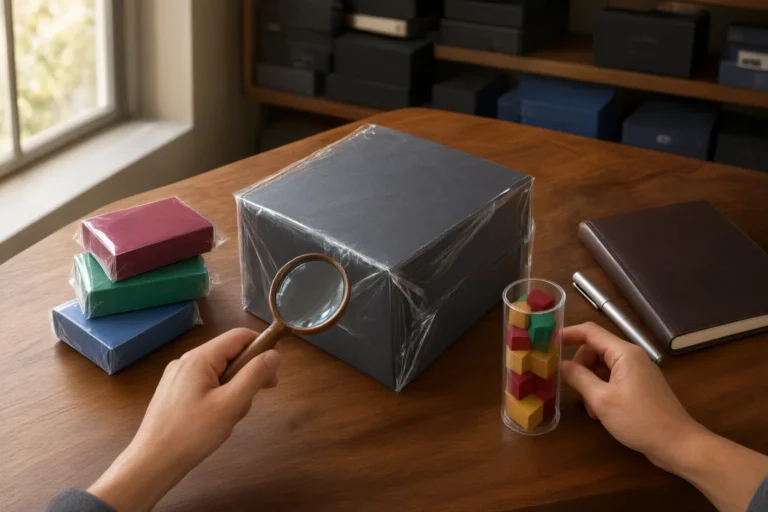
How to Assess Transparency in Randomized Trading Card Breaks
Assess a randomized trading card break by confirming its exact format, included products, possible contents and quantities, allocation rules, randomization method, sealing status and physical-delivery terms before buying…
Read more ↗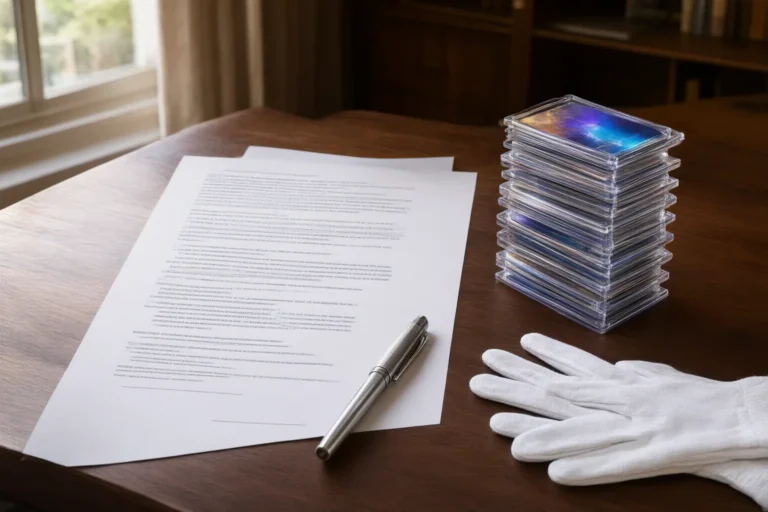
Trading Card Consignment Agreements: Ownership and Disclosure Terms to Check
A practical guide to reviewing a trading card consignment agreement before handing over cards, including inventory records, ownership, selling authority, deductions, payouts, risk, buyer disputes, withdrawal and return…
Read more ↗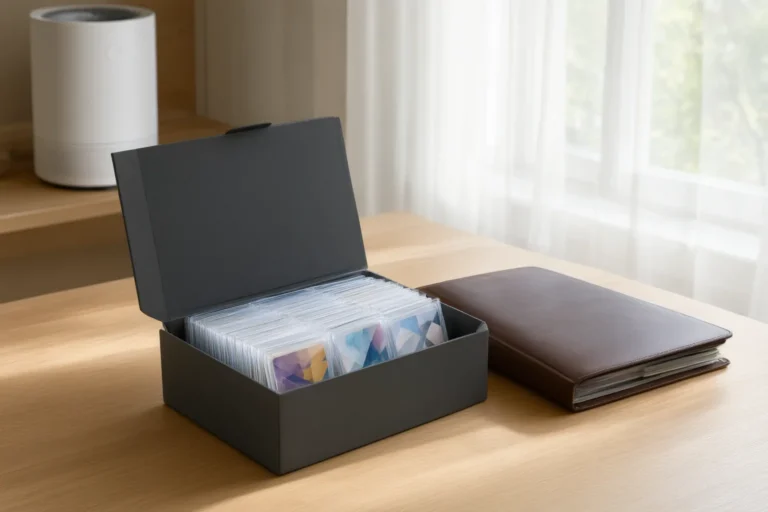
How to Protect Trading Cards from Smoke and Airborne Residues at Home
Smoke and airborne residues can travel through indoor airflow and ventilation pathways. Learn how to document suspected exposure, assess storage conditions and respond cautiously without relying on appearance…
Read more ↗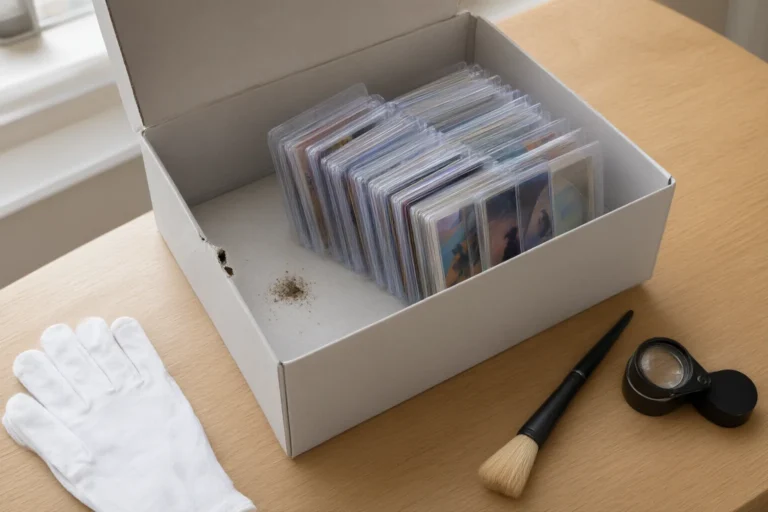
How to Spot Pest Activity in Card Storage and Respond Safely
Possible pest activity may leave holes, grazed surfaces, frass, remains, chew marks, droppings, damaged packaging, or unusual odors. Inspect cards and the wider storage area, record the evidence,…
Read more ↗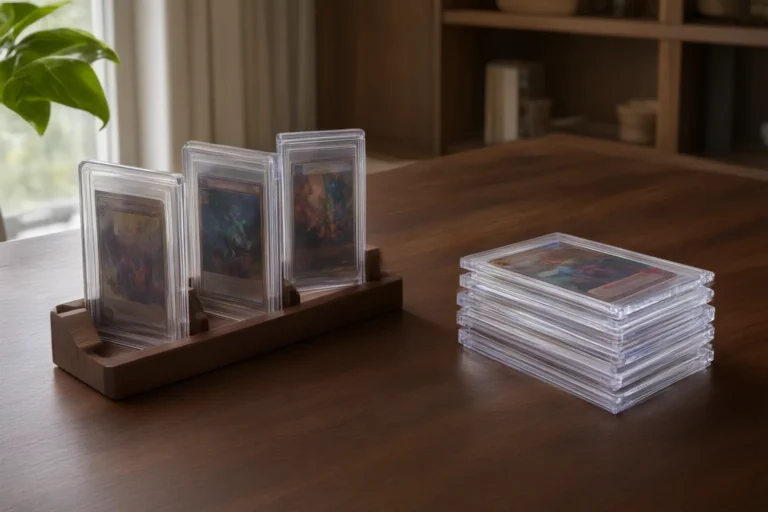
Should Graded Cards Be Stored Upright or Flat?
Graded cards can be stored upright or flat when their slabs are level, supported, and unable to shift or strike one another. Stable environmental conditions and protection from…
Read more ↗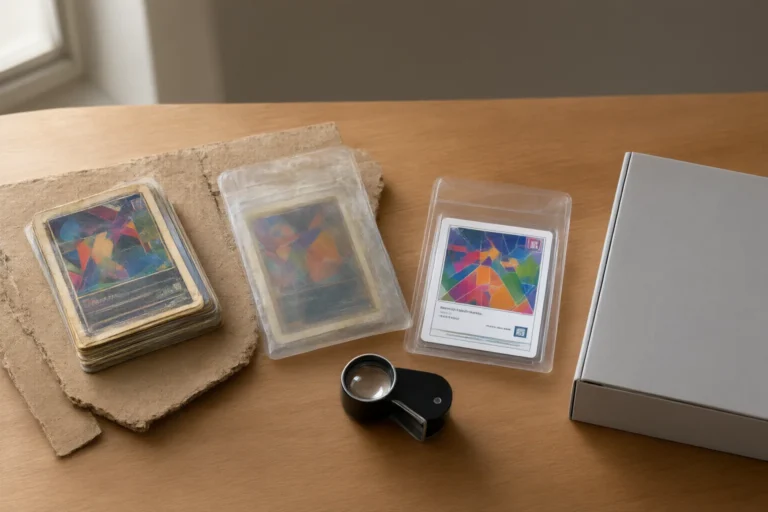
How Acidic Storage Materials Can Affect Trading Cards and How to Identify Them
Acidic paper-based storage can transfer acids to nearby paper objects over time, while unsuitable flexible PVC products may release plasticisers. Learn what warning signs to watch for, how…
Read more ↗