A moment in collecting history
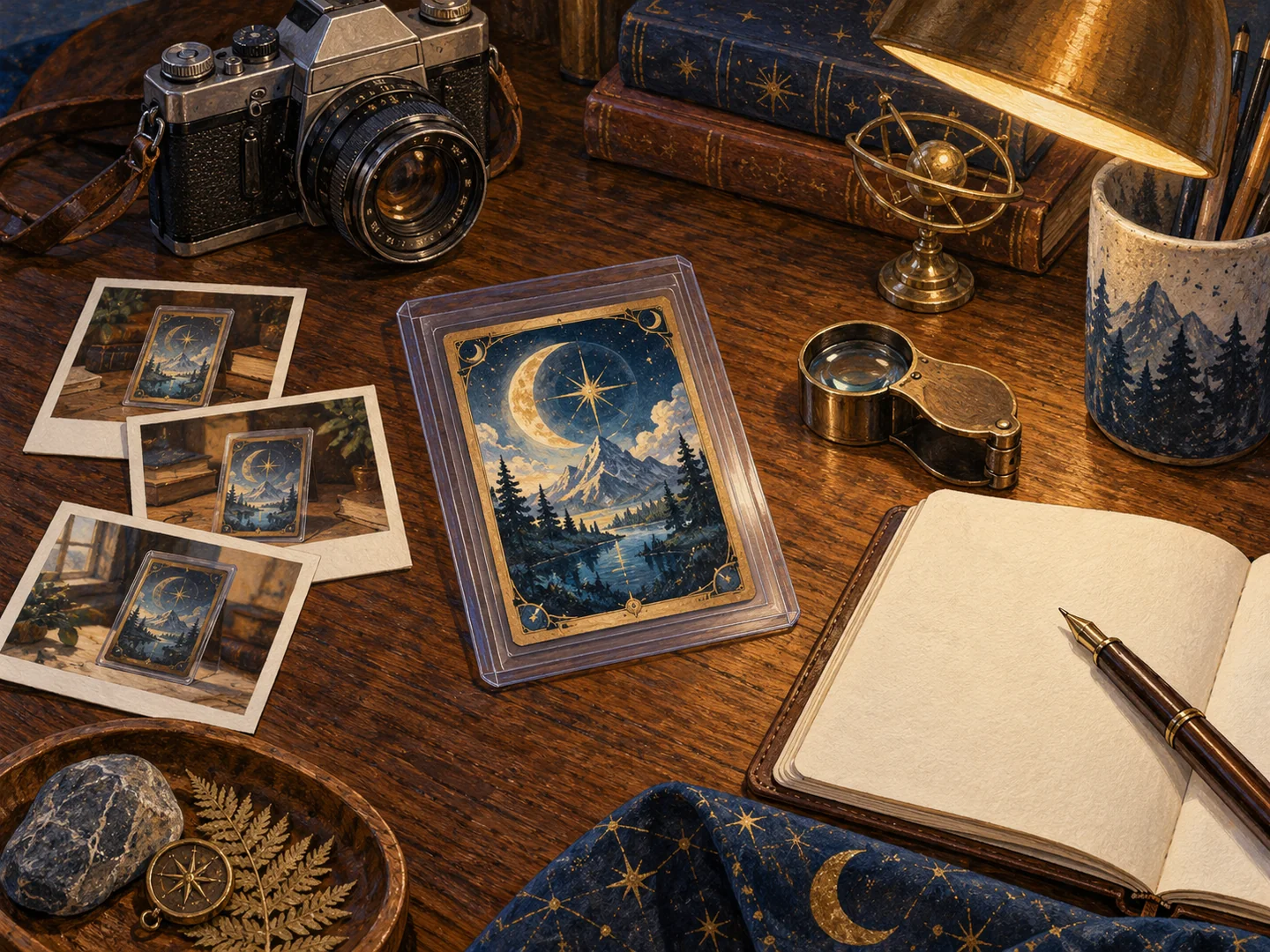
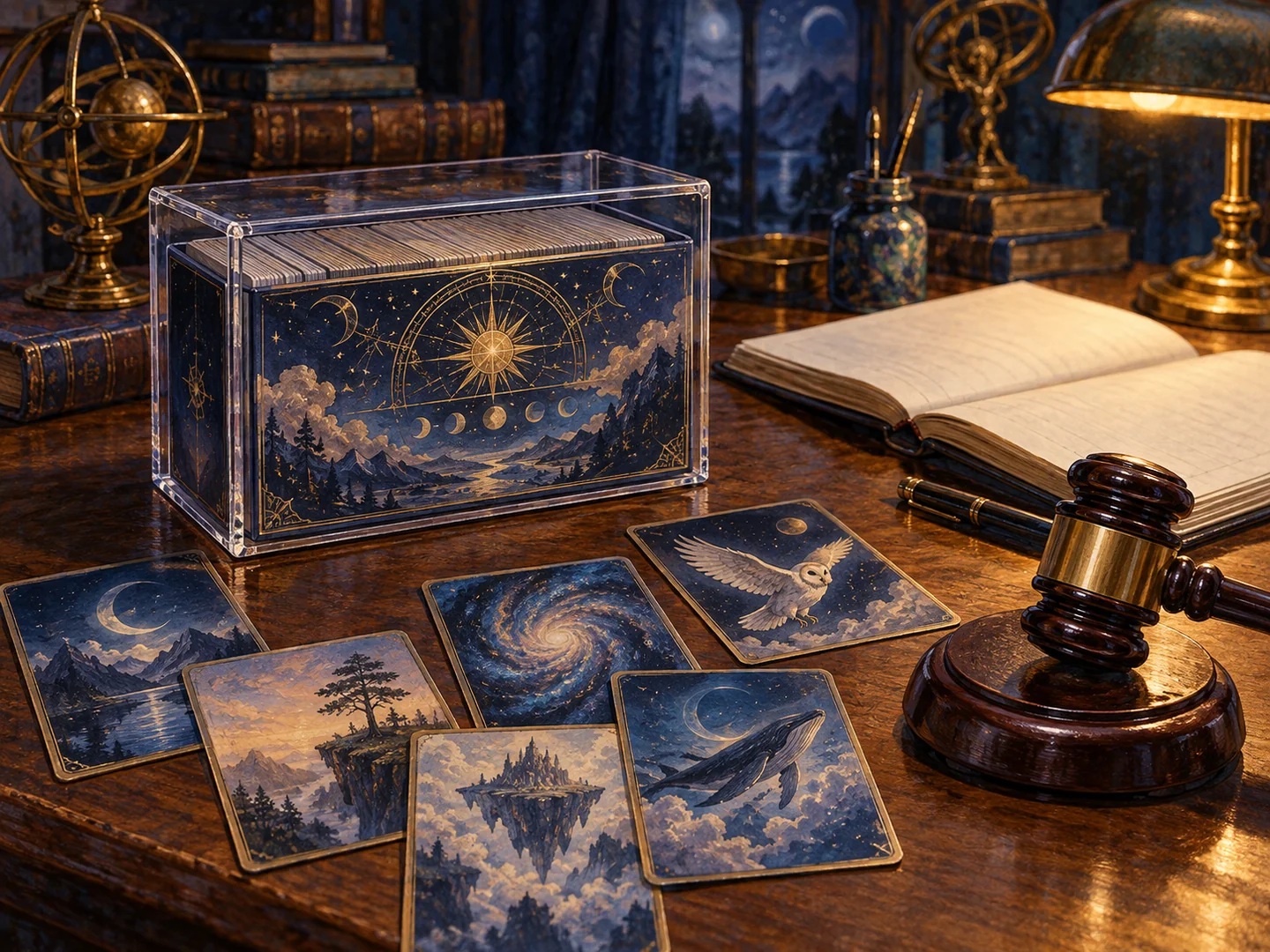
IGN’s August 2018 coverage reported a sale of an original 1999 Pokémon card box for $56,000. The story drew attention to the appeal of early sealed products. Read the contemporary report for its original account.
Read a headline with context
A reported auction figure belongs to a particular item and moment. It does not establish the condition, history or present value of another box. Before comparing items, identify the exact edition and what the seller can document.
Ask about the item, not only the result
Collectors can use an auction story as a reason to learn more about a set. Look at the packaging, the language, the edition and the evidence of where the item has been. Keep those details separate from assumptions about what might be inside.
A story worth keeping
For some collectors, an unopened box preserves artwork and a connection to a time in their lives. For others, the interest is in the individual cards. Neither experience requires promising a repeat of a historical auction outcome.
Read a historical sale as a particular event
A headline captures one object, one description and one moment. Before comparing it with another item, note the edition, condition, sale date and any documented history. Keep the original report with your notes so that later retellings do not replace its context. An old sale can be interesting collecting history without supplying a present-day value for an object in your hands.
Separate the reported amount from the full context
When researching a transaction, ask what the reported figure represents and whether the source explains fees or other terms. If those details are absent, record that limit instead of calculating an unsupported total. The most useful comparison is one whose object and terms you understand. A dramatic number alone leaves many of the questions that matter to a collector unanswered.
Turn the story into a research note
Write a short entry with a link to the original account, the date you read it and the questions it raises. You might want to learn more about the set’s publication history, the packaging or how collectors documented condition. Follow one of those questions rather than treating the headline as a prediction. The resulting record can deepen your understanding even when you never buy a similar item.
- What exact object is described?
- Which facts come from the original account?
- What information is missing or uncertain?