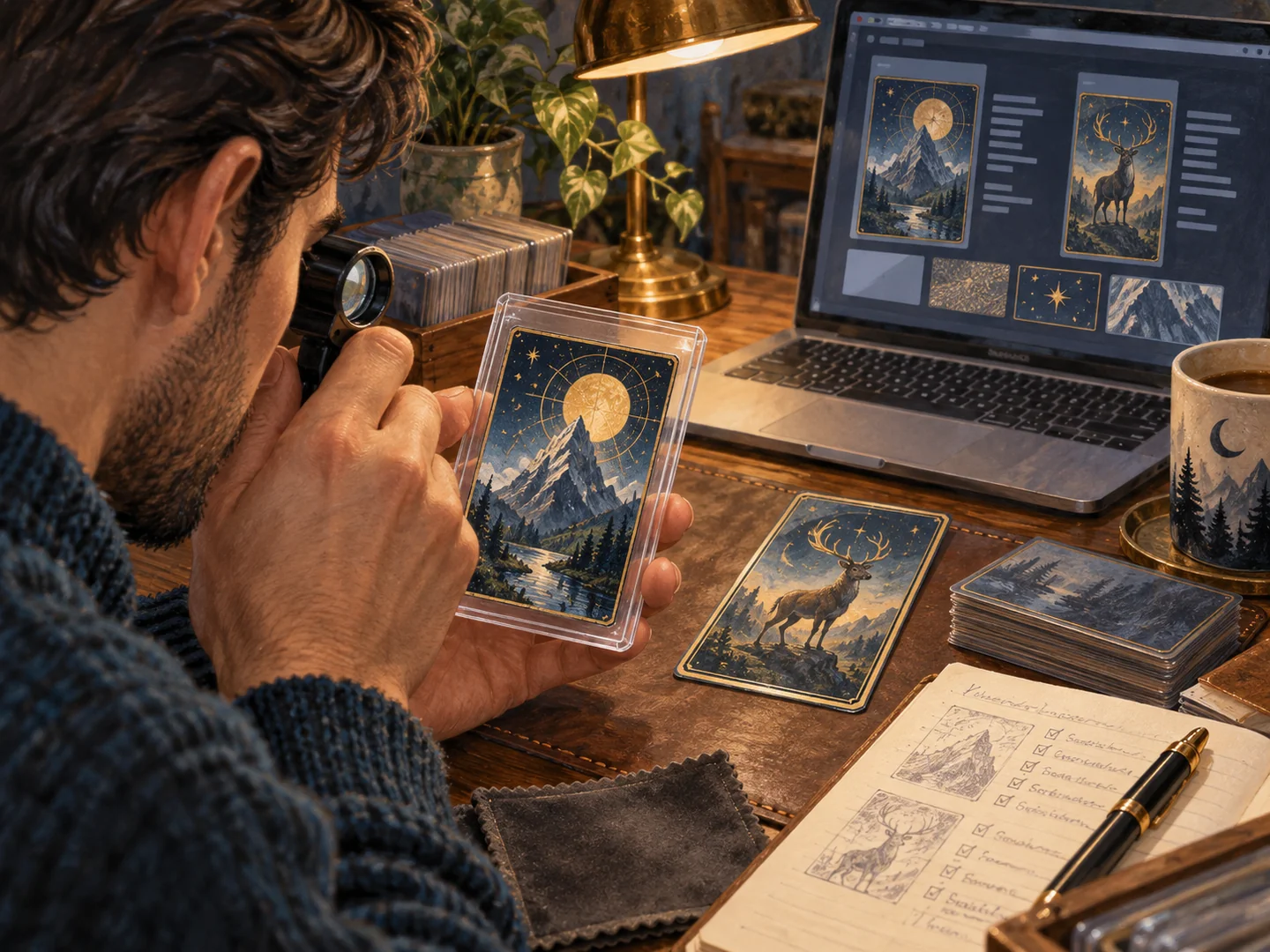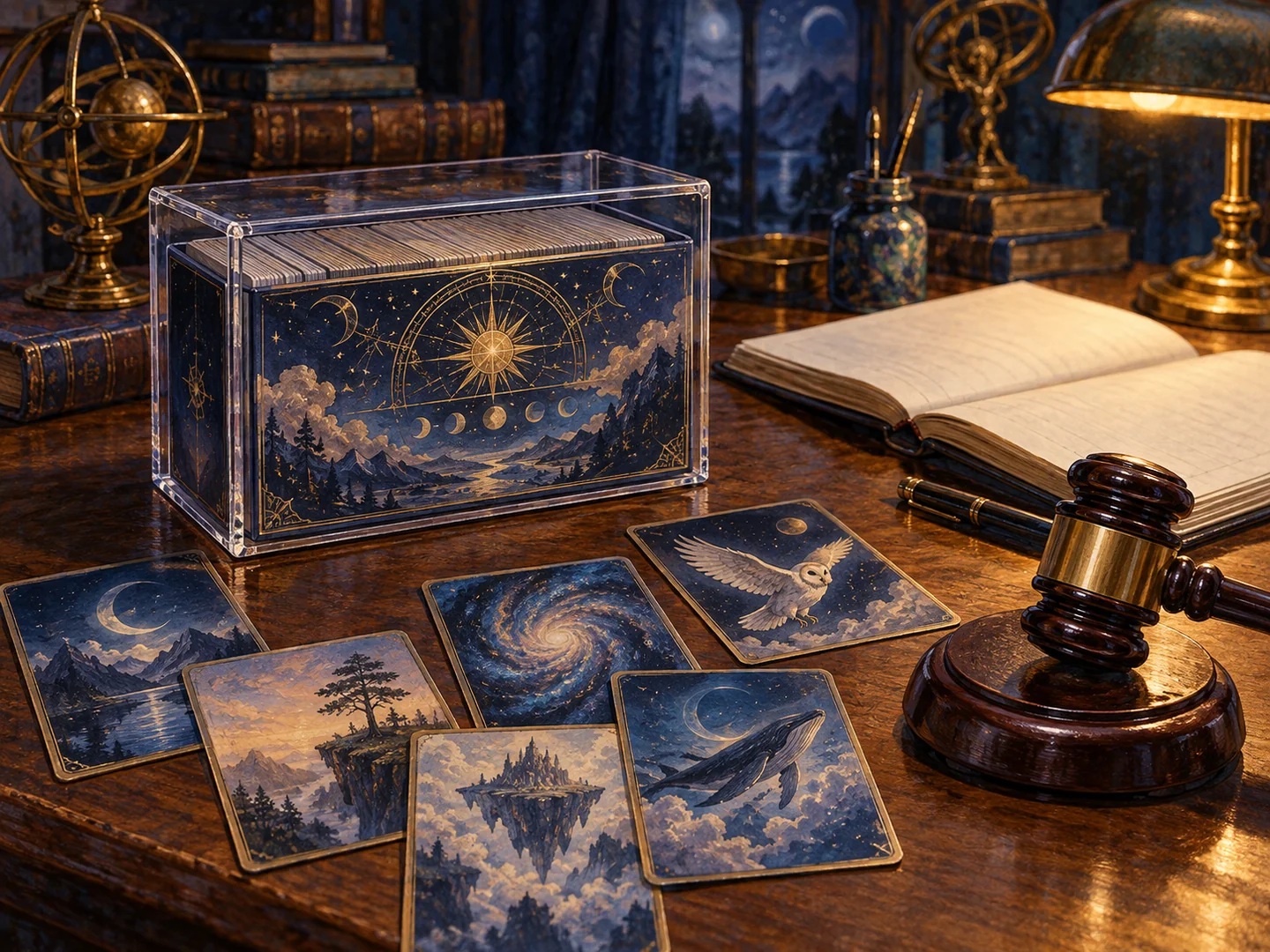
Start with the product itself
Pokémon Support warns that counterfeit cards and packs exist and recommends comparing products with official examples. A suspiciously low price is a reason to ask more questions, not a substitute for inspecting the item.
Ask for a clear description
Identify the exact set, language and edition. Request photographs of the actual item rather than a stock image. Ask about visible damage and the history the seller can document.
Keep different evidence together
A receipt, a certification record and a seller’s explanation answer different questions. Record where each piece of information came from. If descriptions conflict, pause until you understand why.
Avoid a destructive test
Do not tear, bend or otherwise damage a card to test a claim. If authenticity is uncertain, consult a qualified specialist or the intended grader before taking further action.
Build a chain of specific records
Start with the item description and the evidence attached to this particular object: photographs, transaction details and any stated ownership history. Keep those records together rather than collecting general claims about the seller. A useful note identifies its source and date. If a story has no supporting document, record it as an account someone supplied, rather than treating it as a verified fact.

Ask a question that can be answered
Instead of asking whether everything is authentic, ask for a readable image of the back, clarification of a described repair or a copy of the relevant purchase record with private details appropriately removed. Specific questions make it easier to see what evidence is available. A seller may be unable to establish every part of an item’s history; that gap belongs in your decision.
Keep uncertainty visible in the inventory
Use separate fields for facts you checked, statements you received and questions that remain open. That distinction will still be useful when you return to the item months later. A holder or an appealing history should not erase a mismatch in the description. If the evidence is insufficient for your purpose, leave the conclusion open and seek an appropriate current specialist.
- Evidence checked directly.
- Information attributed to its source.
- Unresolved questions and missing views.