Category: <span>Provenance & Ethics</span>
Authenticity evidence, provenance and fair collecting practices.
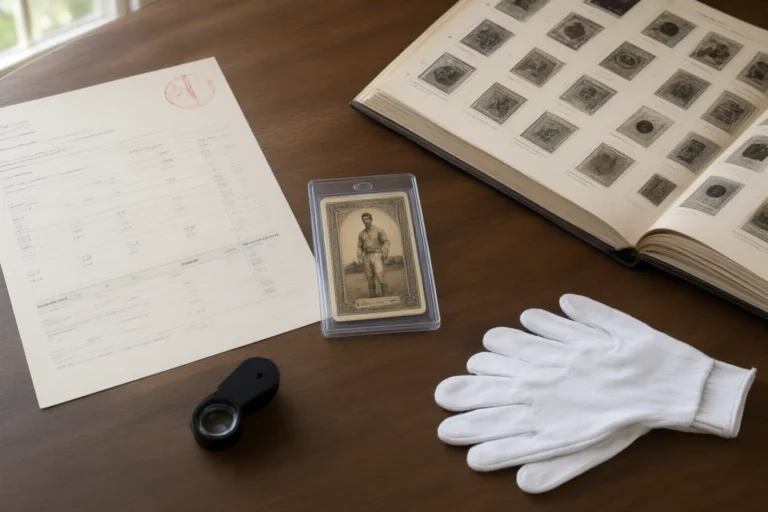
How to Check Whether an Auction Invoice Matches a Collectible Card
An auction invoice can support a collectible card’s provenance when it is linked to the original lot record. Compare the invoice, catalogue materials and offered card, and request…
Read more ↗
How to Investigate Gaps in a Collectible Card’s Chain of Custody Before Buying
Separate authenticity evidence from ownership history, verify that records identify the specific physical card, compare the documented timeline, and record any unexplained intervals before deciding whether to buy.
Read more ↗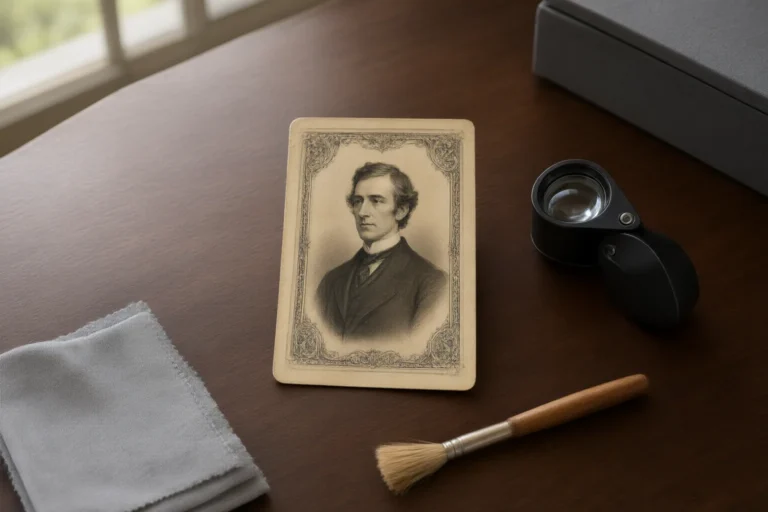
How Sellers Should Disclose a Conserved, Cleaned or Chemically Treated Collectible Card
Sellers should disclose whether a collectible card is known or suspected to have been conserved, cleaned or chemically treated, describe the supporting evidence, and avoid guessing when the…
Read more ↗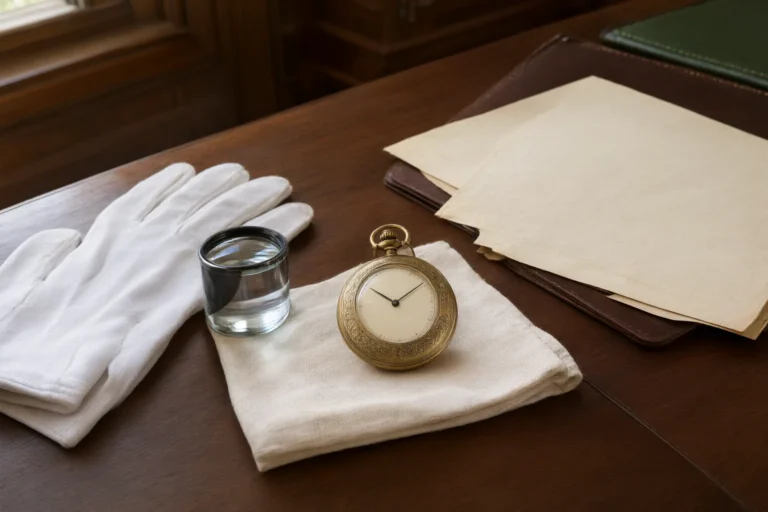
How Collectors Should Handle Authenticity Evidence That Cannot Be Independently Checked
Treat authenticity evidence that cannot be independently checked as provisional. Separate verifiable facts from assertions, test the issuer and record where possible, and seek provenance tied to the…
Read more ↗
How to Handle Card Trades With Children Fairly
Fair card trades with children start with shared understanding and a genuine choice to decline. Identify and inspect both cards, discuss their importance, and involve a trusted adult…
Read more ↗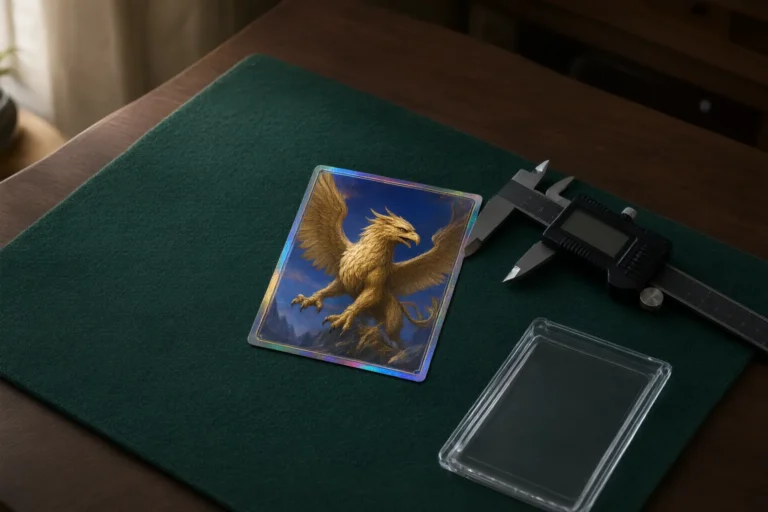
How to Disclose Replica and Custom Cards Clearly
Replica and custom cards should be identified before purchase in the listing title, opening description and product images. Provenance and transaction records can add traceability in blind-box, live-stream…
Read more ↗
How to Assess Transparency in Randomized Trading Card Breaks
Assess a randomized trading card break by confirming its exact format, included products, possible contents and quantities, allocation rules, randomization method, sealing status and physical-delivery terms before buying…
Read more ↗
Trading Card Consignment Agreements: Ownership and Disclosure Terms to Check
A practical guide to reviewing a trading card consignment agreement before handing over cards, including inventory records, ownership, selling authority, deductions, payouts, risk, buyer disputes, withdrawal and return…
Read more ↗
How to Investigate a Trading Card Offered in the UK for Possible Theft
Identify the seller and sales channel, preserve the listing and transaction details, and request clarification about the card’s provenance before deciding whether to buy.
Read more ↗
Due Diligence Checklist for Buying an Inherited Card Collection
Before buying an inherited card collection, preserve its original arrangement, confirm who may sell it, inventory and verify important cards, compare completed sales and clearly explain how the…
Read more ↗