
Before joining a randomized trading card break, check exactly what is being opened, how teams or categories will be assigned, how cards will be allocated, whether products remain sealed before the event, and what physical merchandise will be delivered. Clear disclosures let you evaluate the process, but they do not guarantee particular cards, grades or value.
How randomized trading card breaks work
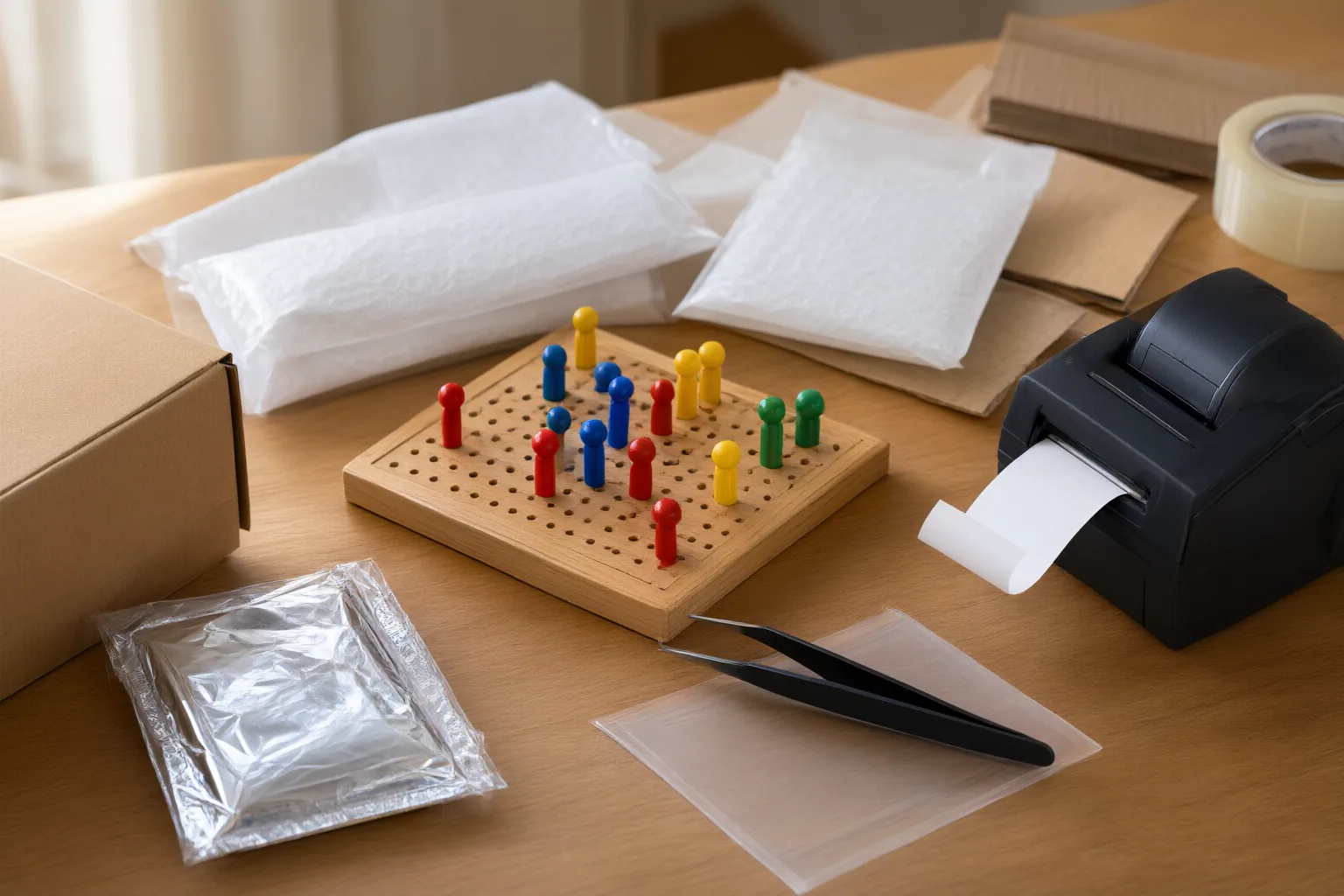
In a random-team break, buyers purchase spots before teams or other categories are assigned randomly. The cards pulled from the opened sealed products are then distributed according to those assignments and the seller’s stated allocation rules.
This differs from a pick-your-team break, where CardPulse describes teams as individually priced and selected by buyers. Random-team breaks instead use uniformly priced spots, with assignments made after the spots are sold. Because these formats handle pricing and allocation differently, “card break” alone is not a sufficiently precise description. The seller should identify the exact format and explain when the assignment occurs, what each assignment covers and how every card will be allocated.
What should be disclosed before you buy
A useful pre-purchase disclosure should allow you to answer these questions:
- What sealed products are included, and how many will be opened?
- What are the possible contents and quantities covered by the offer?
- Are spots assigned by team, category or another clearly defined grouping?
- When will assignments be made, and what randomization method will be used?
- How will cards involving multiple teams, unclear affiliations or other allocation issues be handled?
- Will the products remain sealed until the stated event?
- What physical merchandise will each buyer receive, and what are the delivery terms?
Reported TikTok Shop rules for eligible US sellers provide one platform-specific example: sellers offering random-team breaks must disclose possible Surprise Set contents and quantities, display available products during the livestream, and use qualifying sealed products in certain permitted formats. The reporting also says customers must receive physical merchandise after purchase and that unsold spots cannot be raffled.
These reported requirements are not UK law or a universal rule for every platform. They nevertheless illustrate the kinds of details a buyer can look for. Disclosure helps clarify the offer; it does not establish the odds of receiving a desired card or promise a particular grade or value.
How to assess the randomization process and seller claims
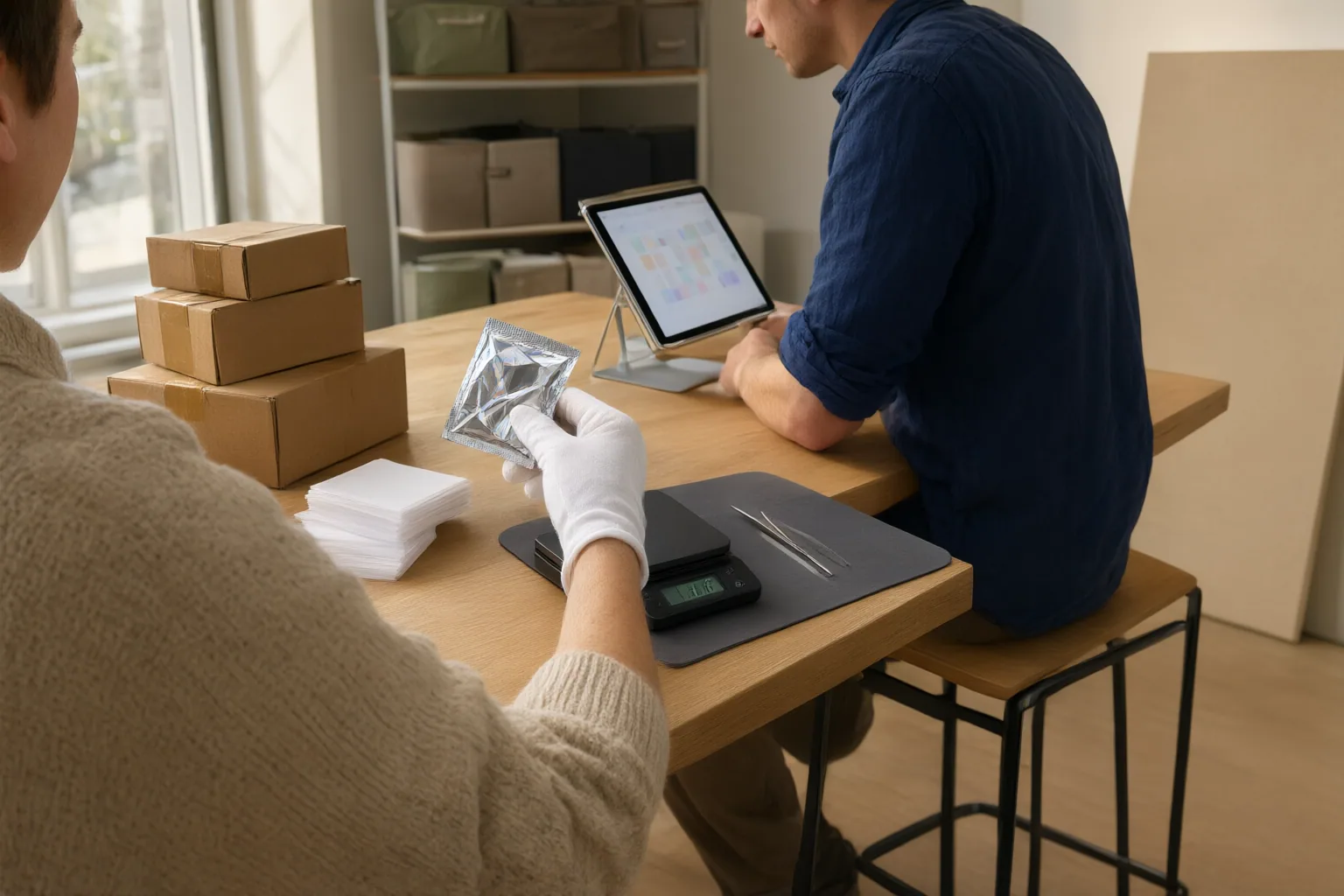
Look beyond the word “random.” Identify who conducts the assignment, which tool is used, when the draw happens and whether buyers can see how the final assignments were produced. The seller should also explain how the assignment record connects each purchased spot to a team or category and then to the cards distributed under the stated rules.
For eligible random-team breaks on TikTok Shop in the United States, reports say the platform requires its Surprise Sets feature and official randomization tool rather than an external or manual draw. This is a limited platform example, not proof that every break elsewhere must use the same system. Its practical lesson is narrower: a platform-controlled, visible method can provide buyers with more information about how assignments were generated than an unexplained external or manual process.
Credentials also require careful attribution. The Collectibles Trading Cards Association says its Certified Breaker Program includes background screening, education and an examination, with certification following a breaker across platforms. Those are the association’s descriptions of its own programme. Certification should not be treated by itself as proof that a particular break is fair or that the programme is effective. Assess the actual disclosures and process for each break.
Conclusion
Before participating, confirm the exact break format, included products, possible contents and quantities, allocation rules, randomization method, sealing status and physical-delivery terms. Do not substitute a seller label or credential for those details. Record the stated format and each checklist item before buying a spot, and ask the seller for clarification whenever an allocation, randomization or delivery term is missing or ambiguous.
Disclosures and limitations
- This article was prepared with AI assistance using only the supplied research sources; platform and certification claims are attributed to the organisations or reports that described them.
- No products are recommended and no affiliate relationship is stated in the supplied materials. Readers should check current platform terms and seller disclosures before participating.
Related reading
- Provenance & Ethics
- Trading Card Consignment Agreements: Ownership and Disclosure Terms to Check
Sources
- TikTok's New Rules on Trading Card Breaks & Surprise Sets: What You Need to Know — newsnet5.com
- Trading Cards Have a Trust Problem. CTCA Wants to Build the Standards to Fix It — prnewswire.com
- New Gambling Rules Mean No More Random Card Breaks on TikTok – NewsBreak — NewsBreak
- Card Breaks Explained: Razz, Hits, Personals, and the Real Math (2026) — CardPulse — CardPulse Club