Begin with an ordinary detail
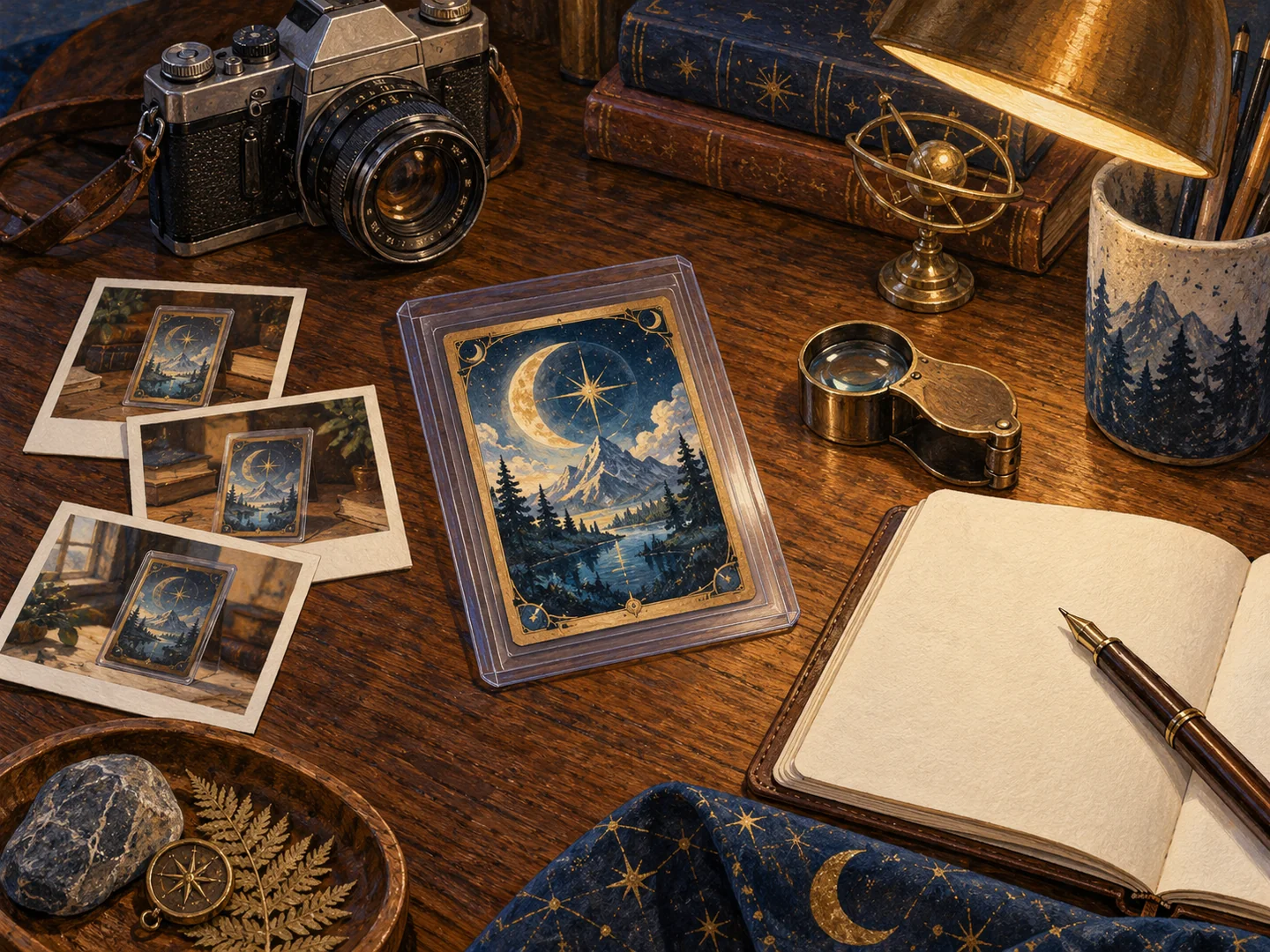
Write down where you first saw the card, who you traded with or why the artwork stayed with you. A simple note can reconnect the item with a memory years later.
Keep facts and memories side by side
Add the set, number and language in one place, then leave a separate space for your own story. You can revise an identification without losing the memory attached to it.
Make it easy to return
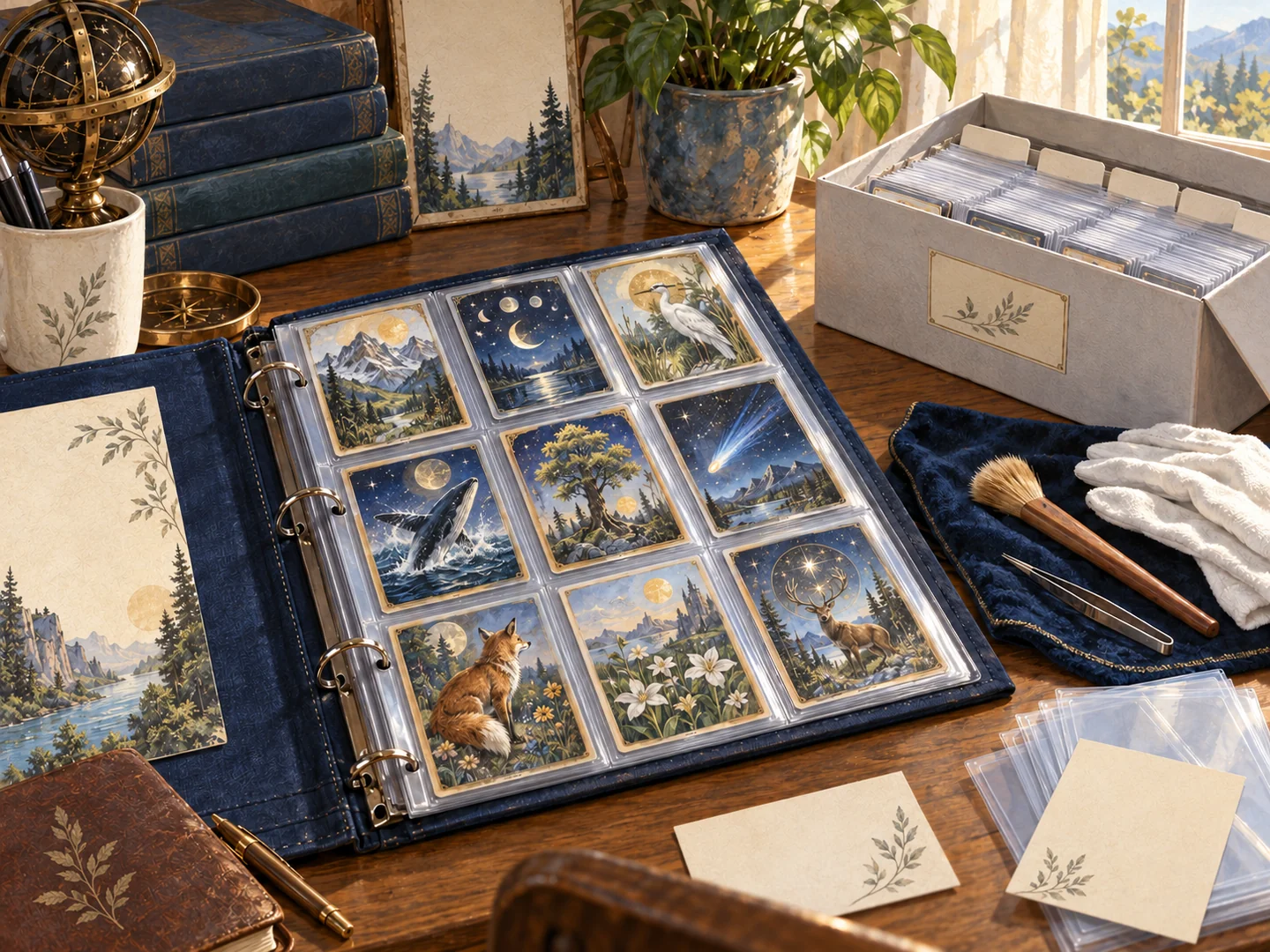
Use one folder, notebook or file rather than a system that needs constant work. Photograph a page of your binder, add the date and write one sentence about what you notice.
Begin with one item and a few fields
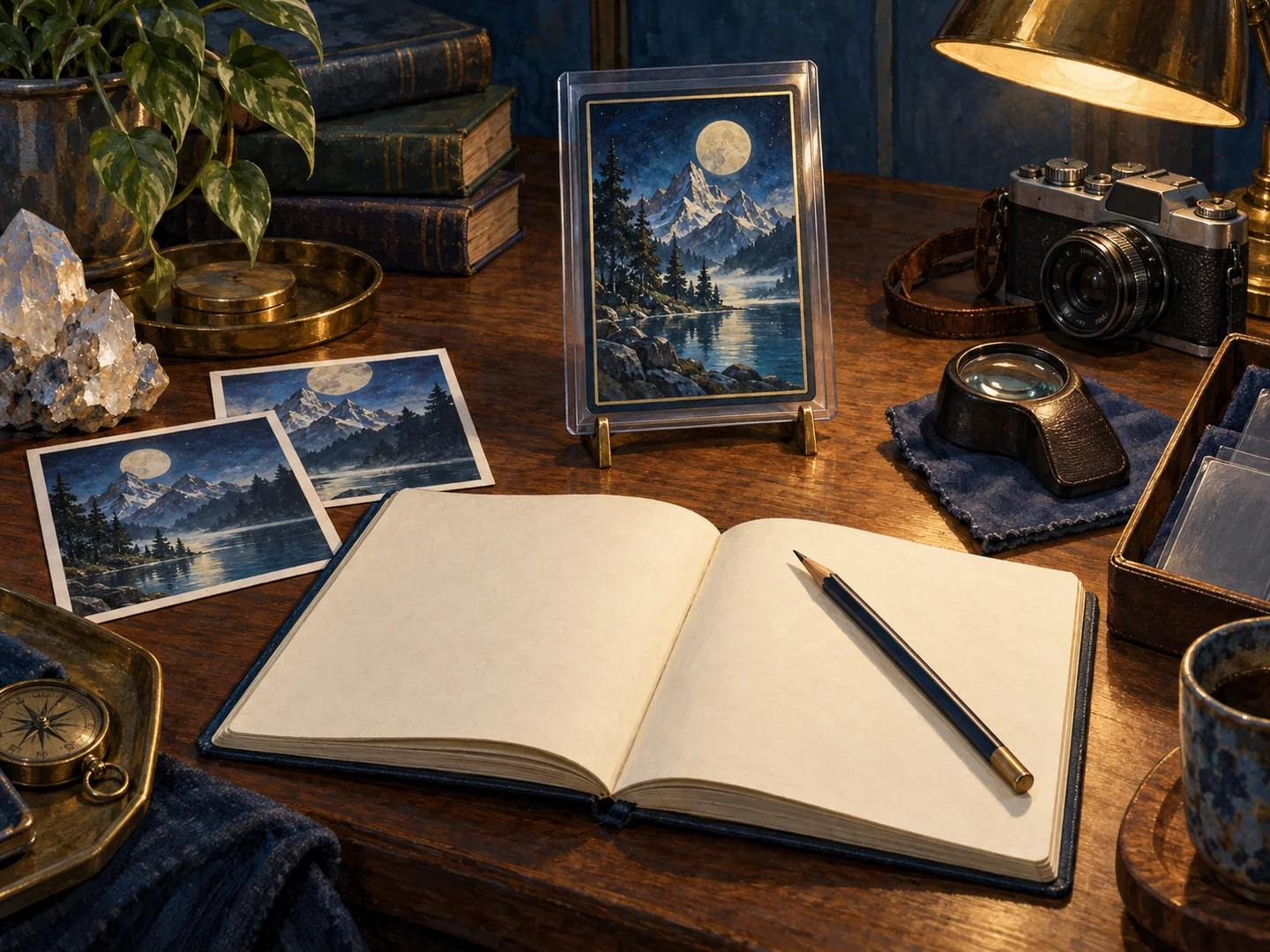
Record the date, item description, source and storage location. Then add one sentence about why you chose it. That final sentence is often what makes a collection journal different from a stock list. You can keep the record on paper or in a simple digital table, provided you can connect the entry to the correct object later.
Keep the observation and the story together
A note about a visible corner mark can sit beside a memory of finding the card with a friend. Label each for what it is: a condition observation, a transaction detail or a personal recollection. If someone else supplied a story, name the source in your private record. You do not need to resolve every historical question before writing down what you know.
Use a repeatable entry template
A short template makes it easier to continue after the first few entries. Add photographs where they are useful and update the location when you move an item. Keep a backup of digital records and consider what private transaction details should stay out of shared photographs. The journal can grow slowly, one entry each time you spend a little time with the collection.
- Description and identifying details.
- Acquisition date, source and storage location.
- Condition notes, photographs and open questions.
- The reason this item matters to you.