Every card has a story.
The first pack. The favourite card. The details you notice years later. Explore the knowledge that makes collecting more considered—and a little more rewarding.
A closer look. A better understanding.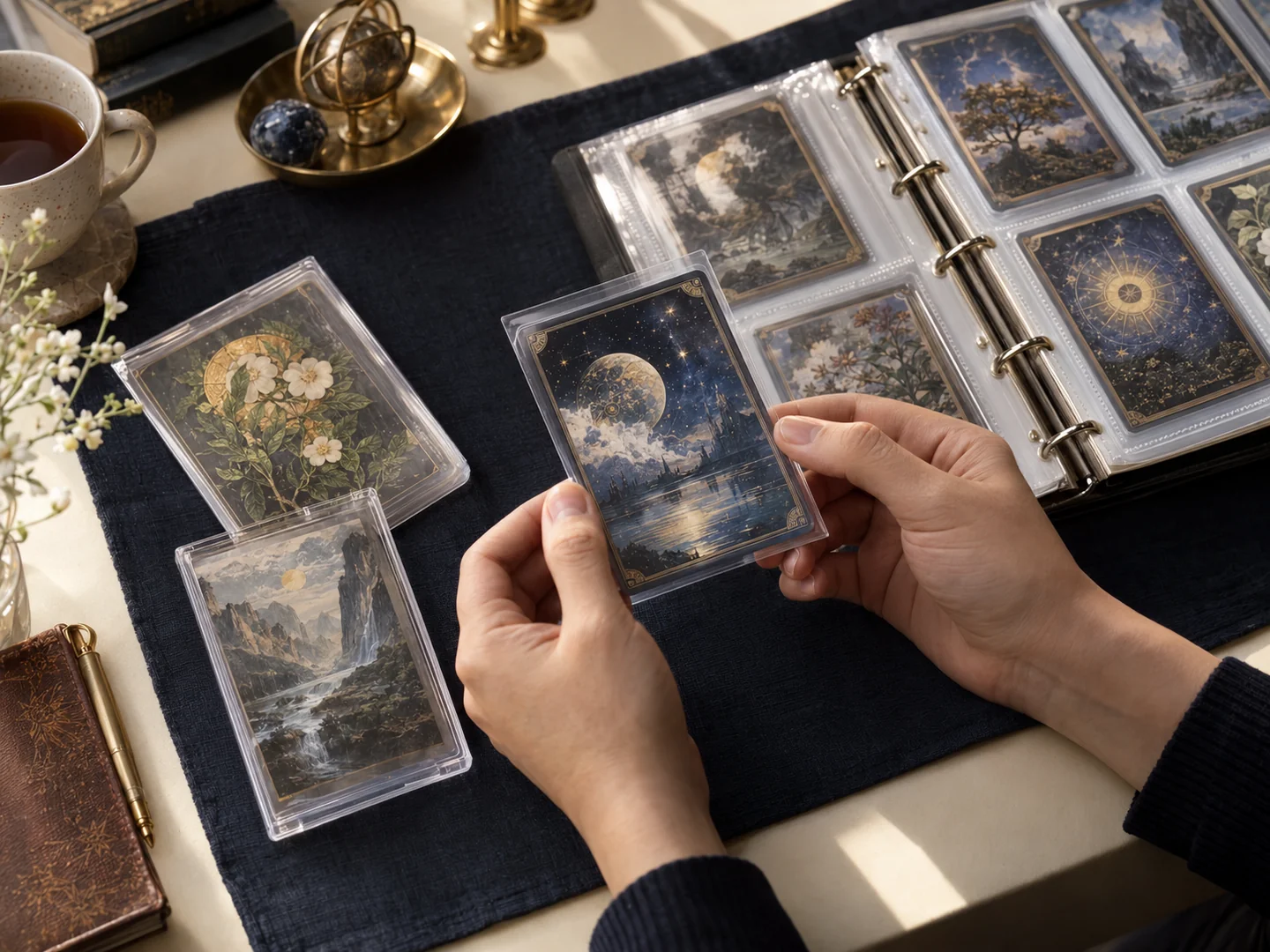 Collect the story. Care for the details.
The story behind a sealed box.
A historical auction opens a wider conversation about provenance, careful descriptions and collecting with curiosity.
2 min readRead the archive featureLook closer, one detail at a time.
Condition, certification and preparation, with the original guidance close at hand.

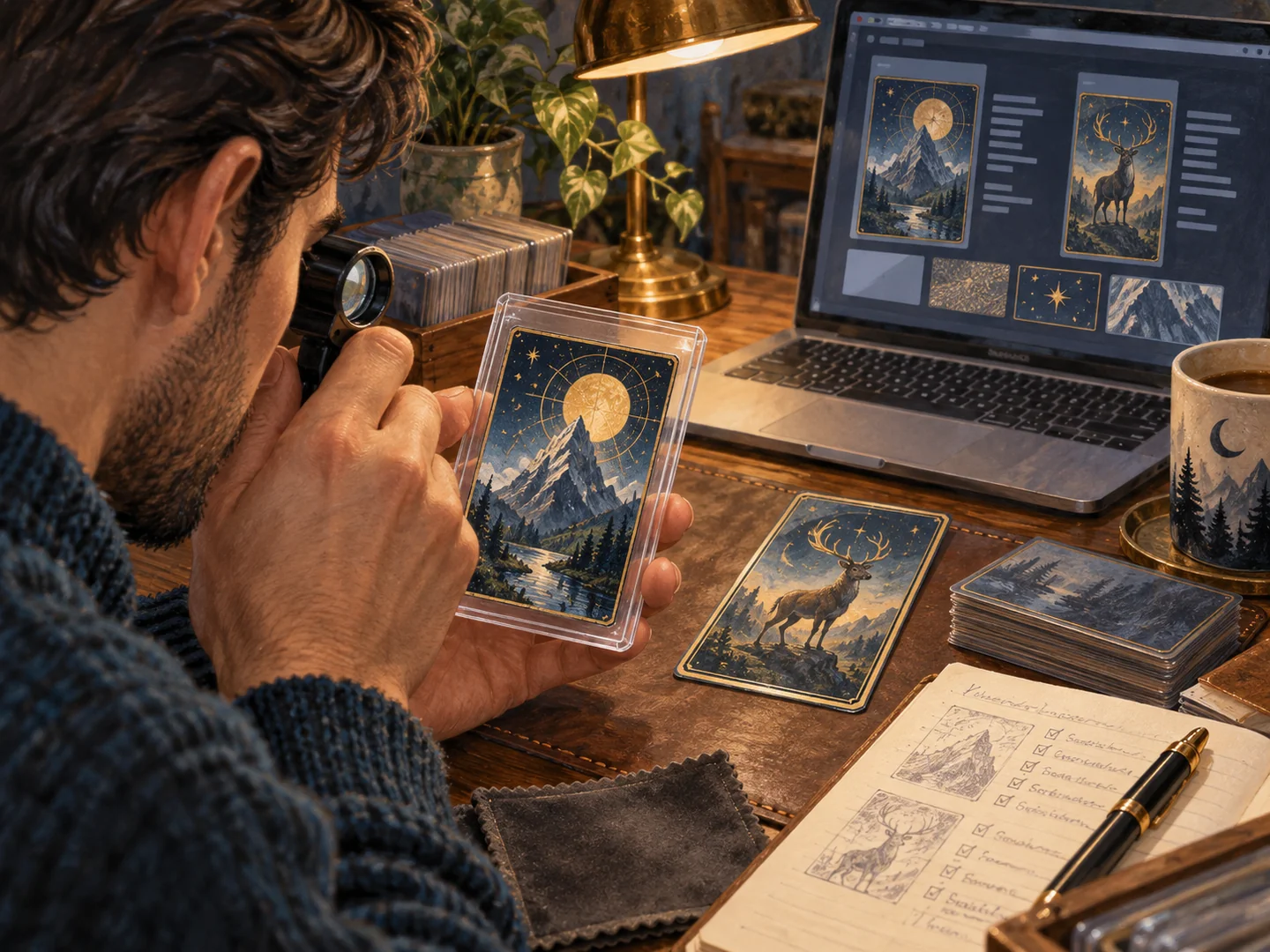
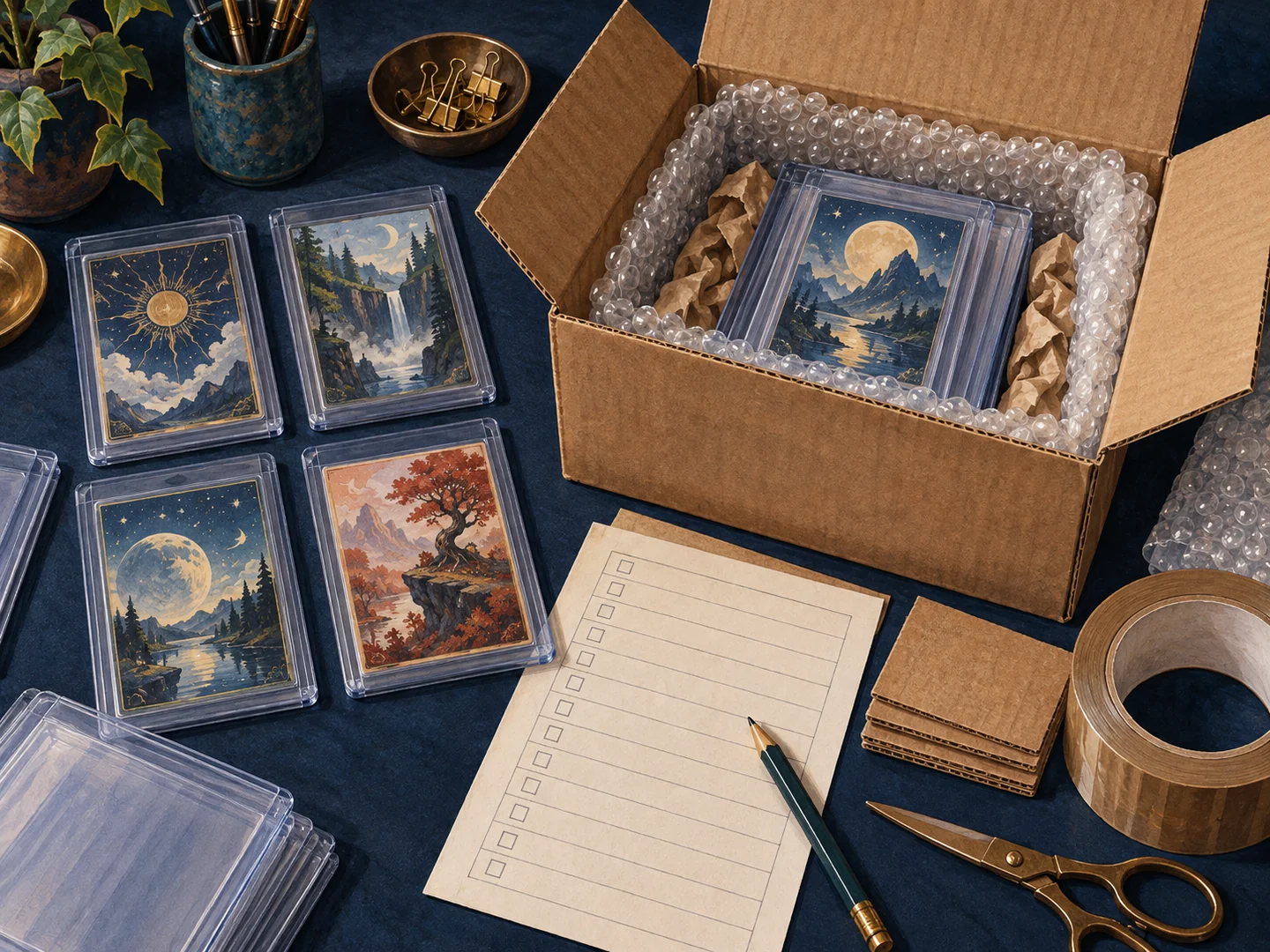
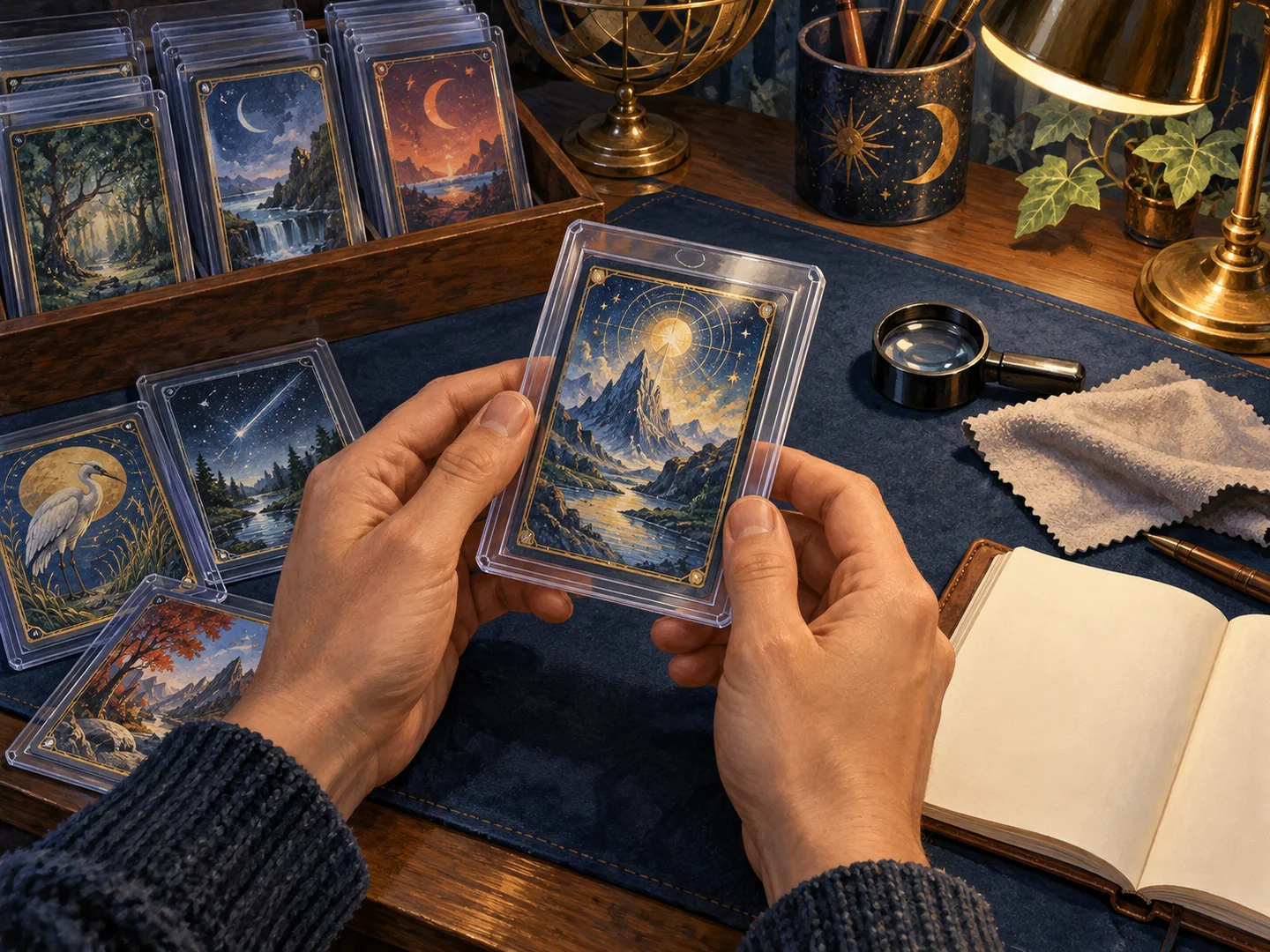
Make the collection your own.
Original guides, thoughtful examples and questions to take with you.

Pack weighing, and the question of trust.
What should a seller disclose when the uncertainty of a sealed pack is part of its appeal?
Read more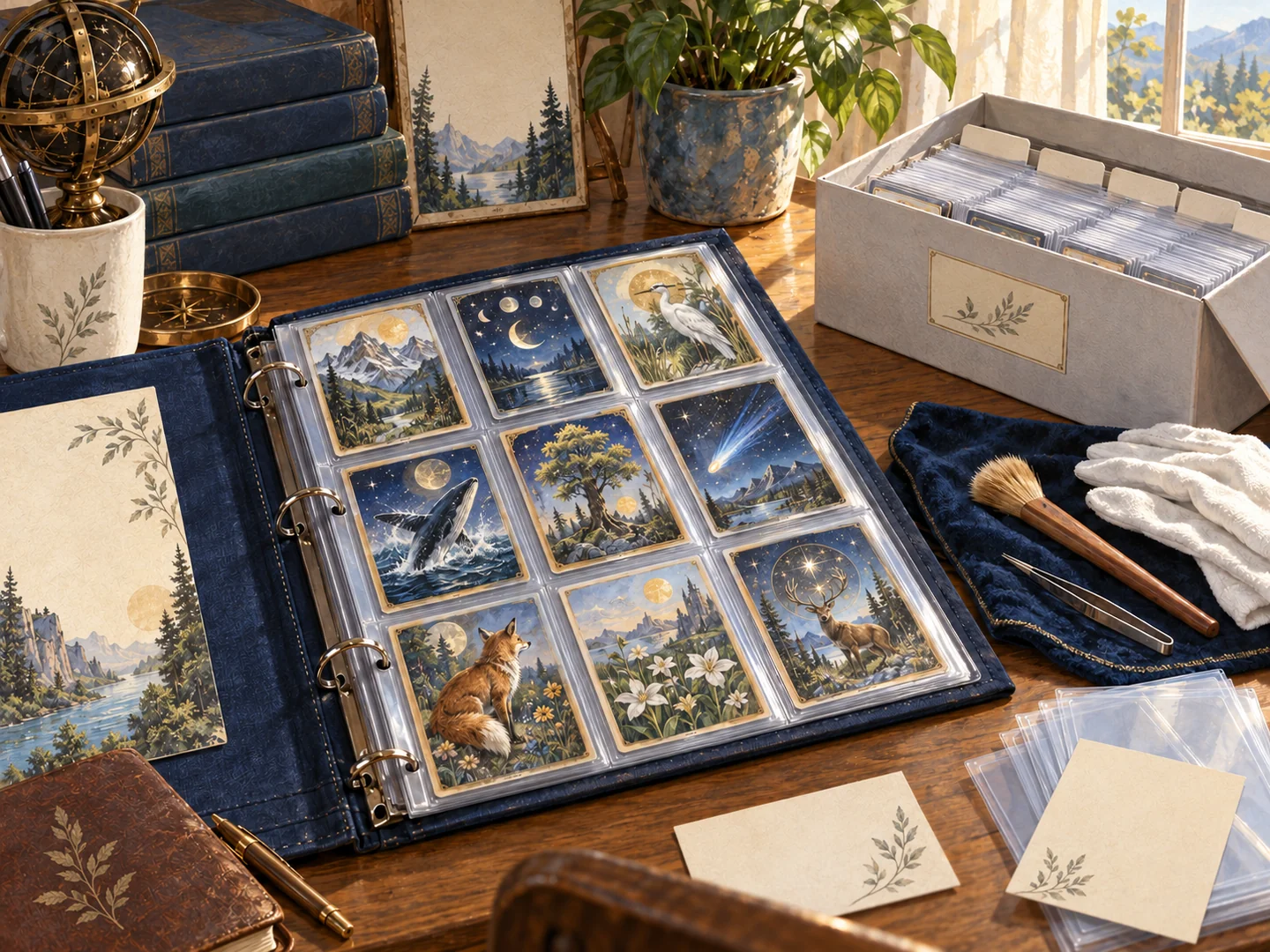
Keep the cards. Keep the memories.
Small habits that make a collection easier to handle and document.
Read more
The note you will be glad you kept.
A few lines can preserve the part of a collection a catalogue cannot describe.
Read more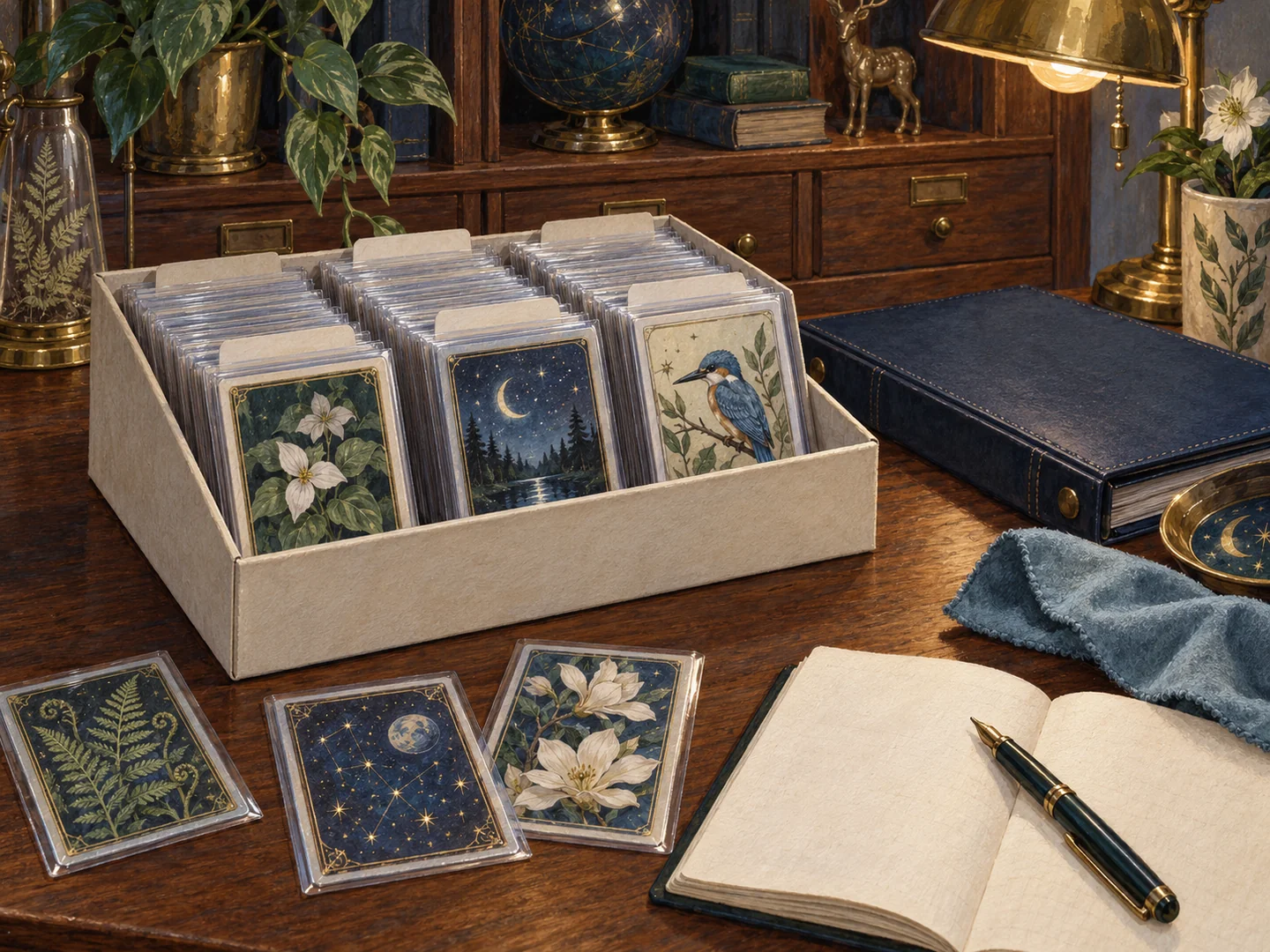
The details make the difference.
Learn what to look for before a submission, how to record a collection and why a good question can matter more than a headline.
Start with gradingWorth a closer read.
Trading Card Grading Scales: How Numbers, Labels and Subgrades Compare
Trading card grading scales may assess similar condition features, but their numbers, labels and reporting methods are not automatically interchangeable. Compare the complete label using the issuer’s definitions.
Read more ↗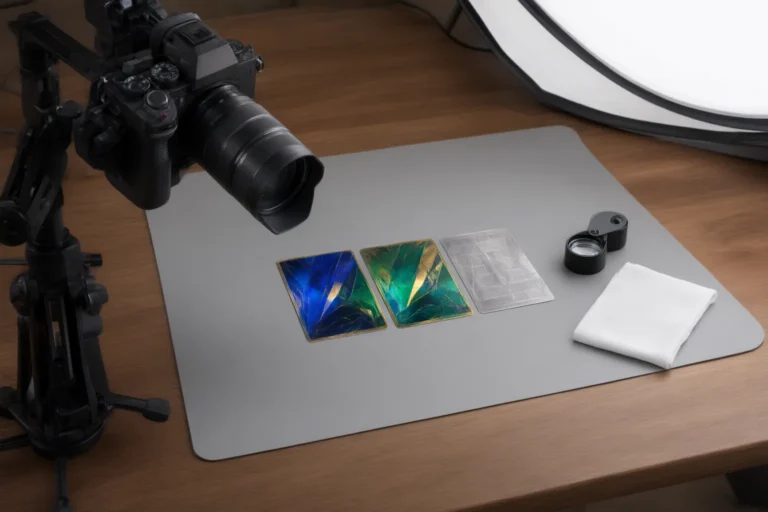
How to Take Trading Card Condition Photographs for Reliable Records
Create reliable trading card condition records with stable framing, even lighting, complete front and back photographs, useful defect close-ups, full-size review, restrained corrections, and a stable identifier for…
Read more ↗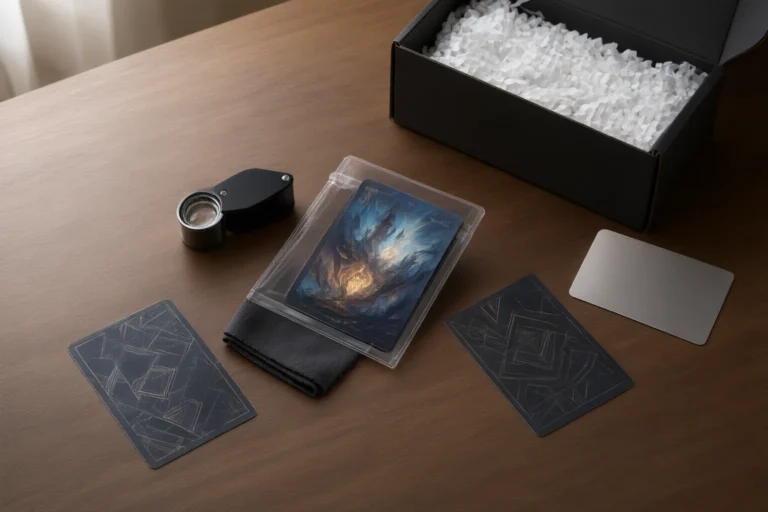
Trading Card Seller Checks: A Safer Online Buying Guide
Learn a repeatable process for reviewing a seller’s track record, verifying the exact card or sealed product, using protected payment services, saving transaction records, and inspecting the delivered…
Read more ↗The latest reads.
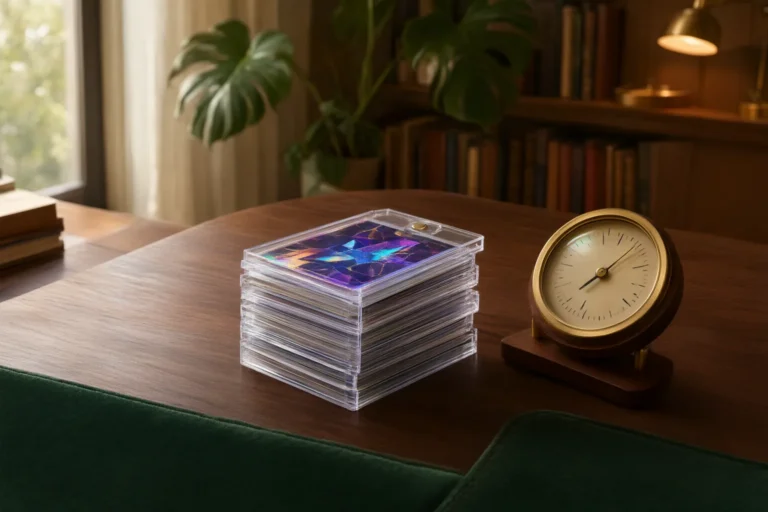
Relative Humidity for Trading Cards: A Practical Home Storage Guide
Several collector guides recommend approximately 45–55% relative humidity for trading cards. Using a hygrometer, limiting fluctuations and choosing a stable interior storage location can help reduce risks associated…
Read more ↗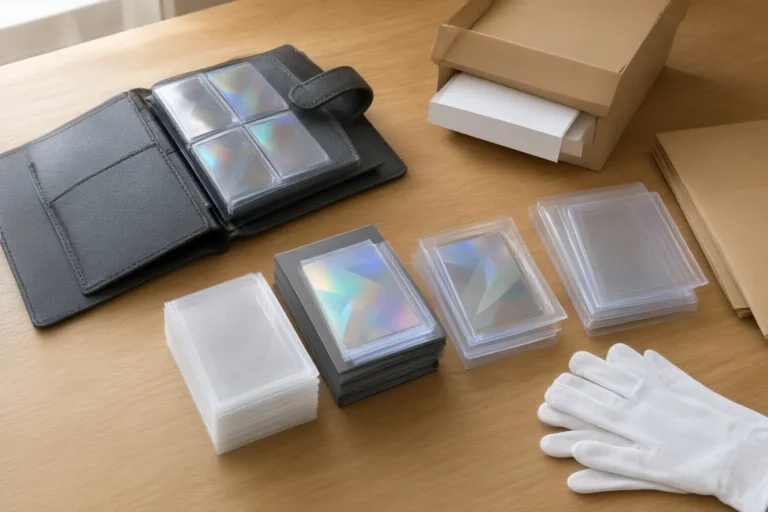
How to Choose Trading Card Sleeves for Play, Storage and Shipping
Choose trading card sleeves by checking the card’s dimensions and thickness, then matching the sleeve and supporting holder to play, storage, display, shipping or grading-submission preparation.
Read more ↗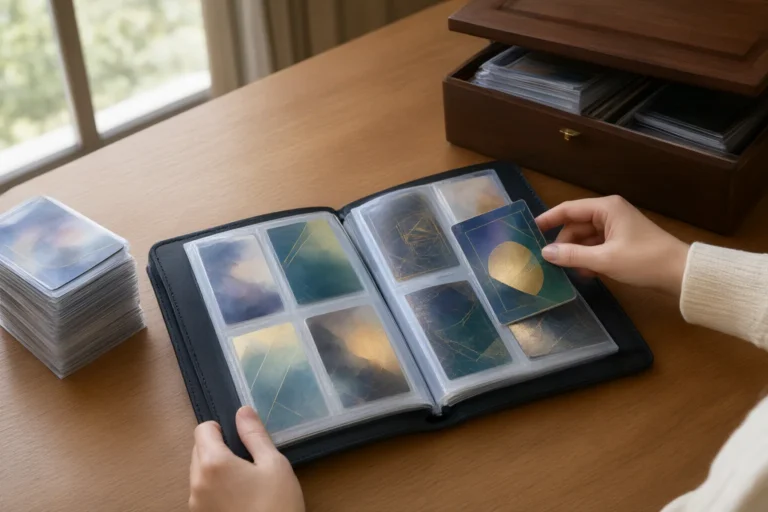
How to Organise a Trading Card Inventory
Build a searchable trading card inventory by choosing a spreadsheet or dedicated platform, defining consistent fields, tracking card status and transactions, and linking each entry to a precise…
Read more ↗
Card Surface Flaws: How to Find Marks and Understand Grading Limits
Inspect both sides of a trading card under moving angled light, use magnification for subtle marks, and document each flaw without treating a home grade estimate as a…
Read more ↗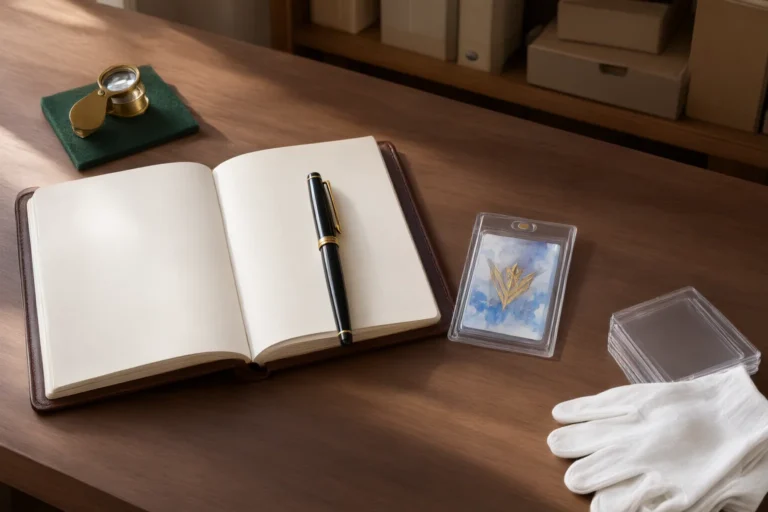
How to Create and Maintain Trading Card Provenance Records
Build a practical trading card provenance file by connecting the card’s identity with condition evidence and dated custody or transaction records, while clearly labelling missing details as unknown.
Read more ↗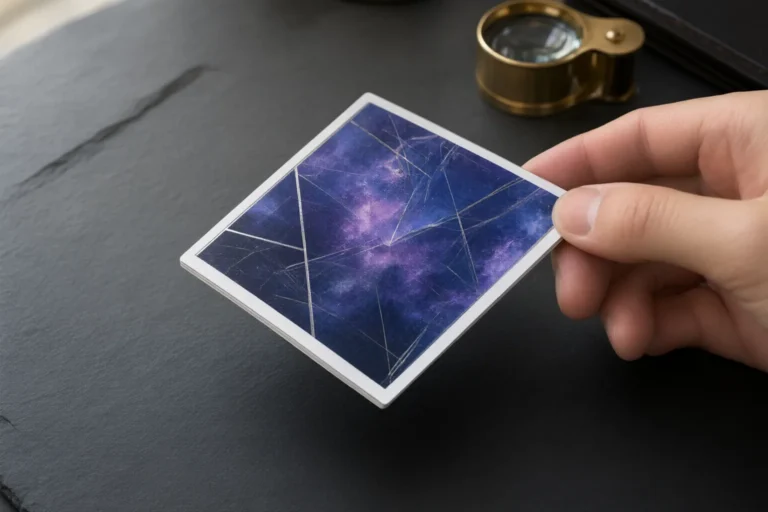
Trading Card Centering Explained: How to Inspect Borders and Read Ratios
Trading card centering compares the printed design with the card’s physical borders. Learn how to inspect left-right and top-bottom alignment on the front and reverse, estimate each ratio,…
Read more ↗