Every card has a story.
The first pack. The favourite card. The details you notice years later. Explore the knowledge that makes collecting more considered—and a little more rewarding.
A closer look. A better understanding.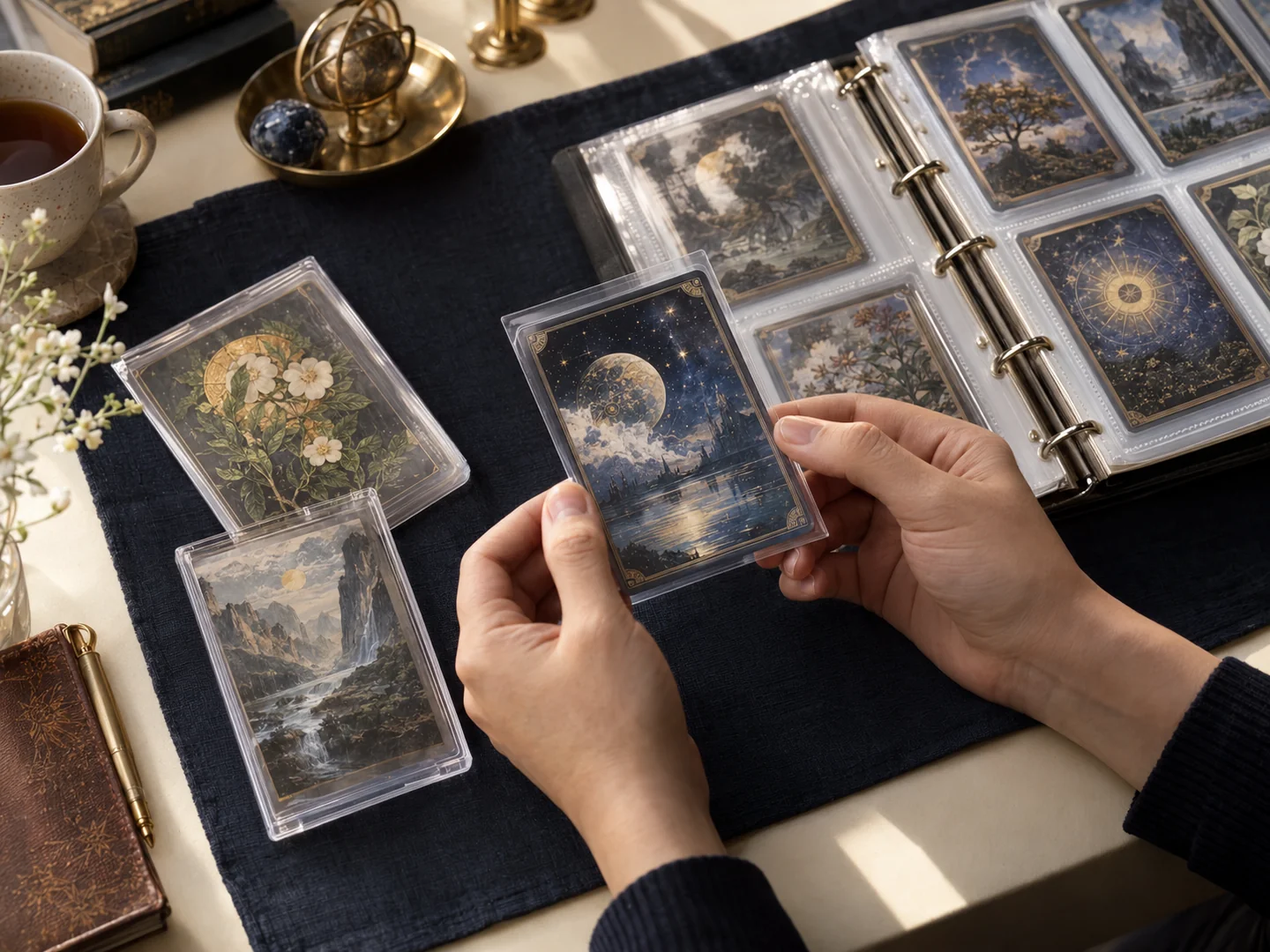 Collect the story. Care for the details.

The story behind a sealed box.
A historical auction opens a wider conversation about provenance, careful descriptions and collecting with curiosity.
2 min readRead the archive featureLook closer, one detail at a time.
Condition, certification and preparation, with the original guidance close at hand.

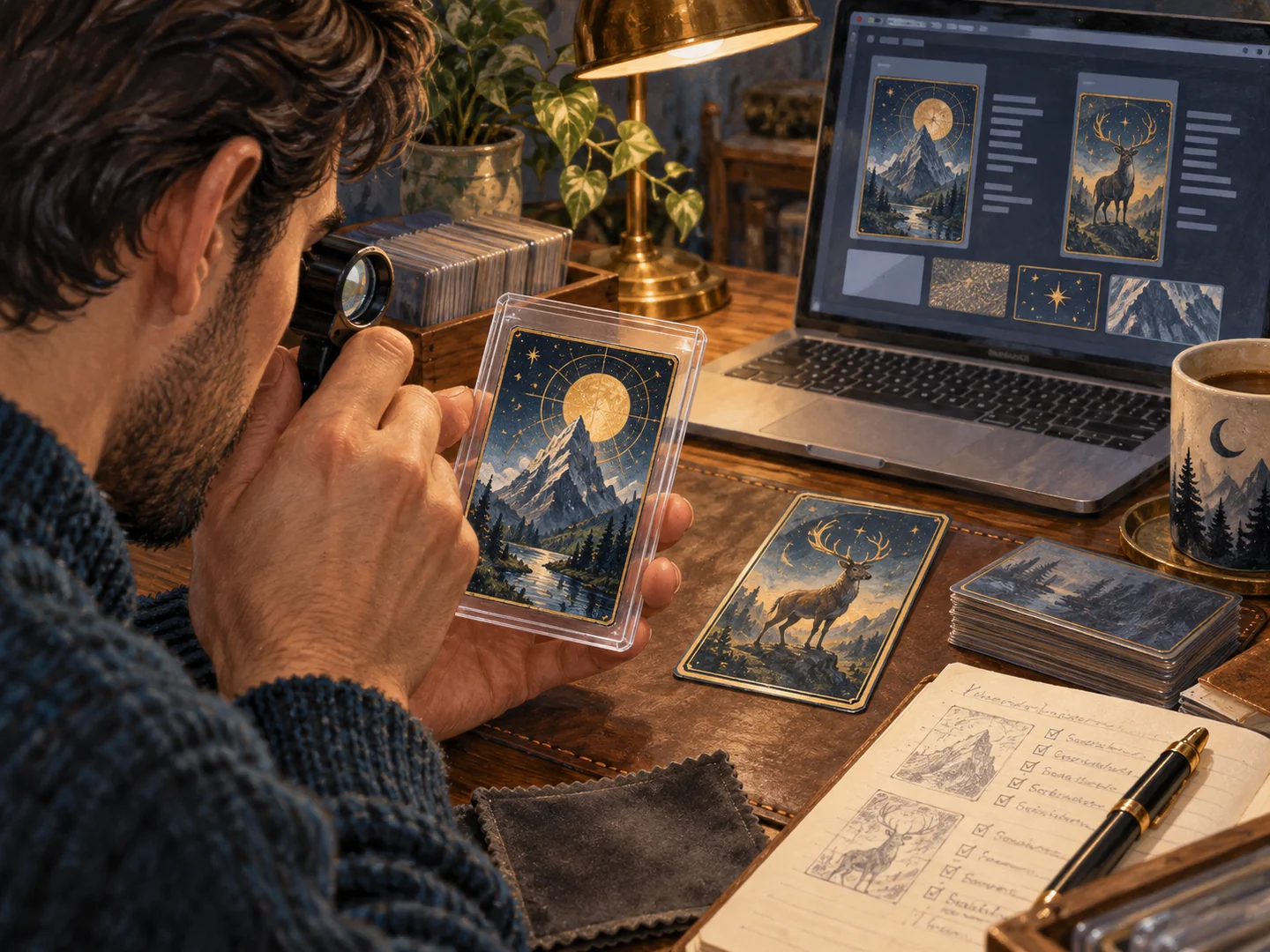
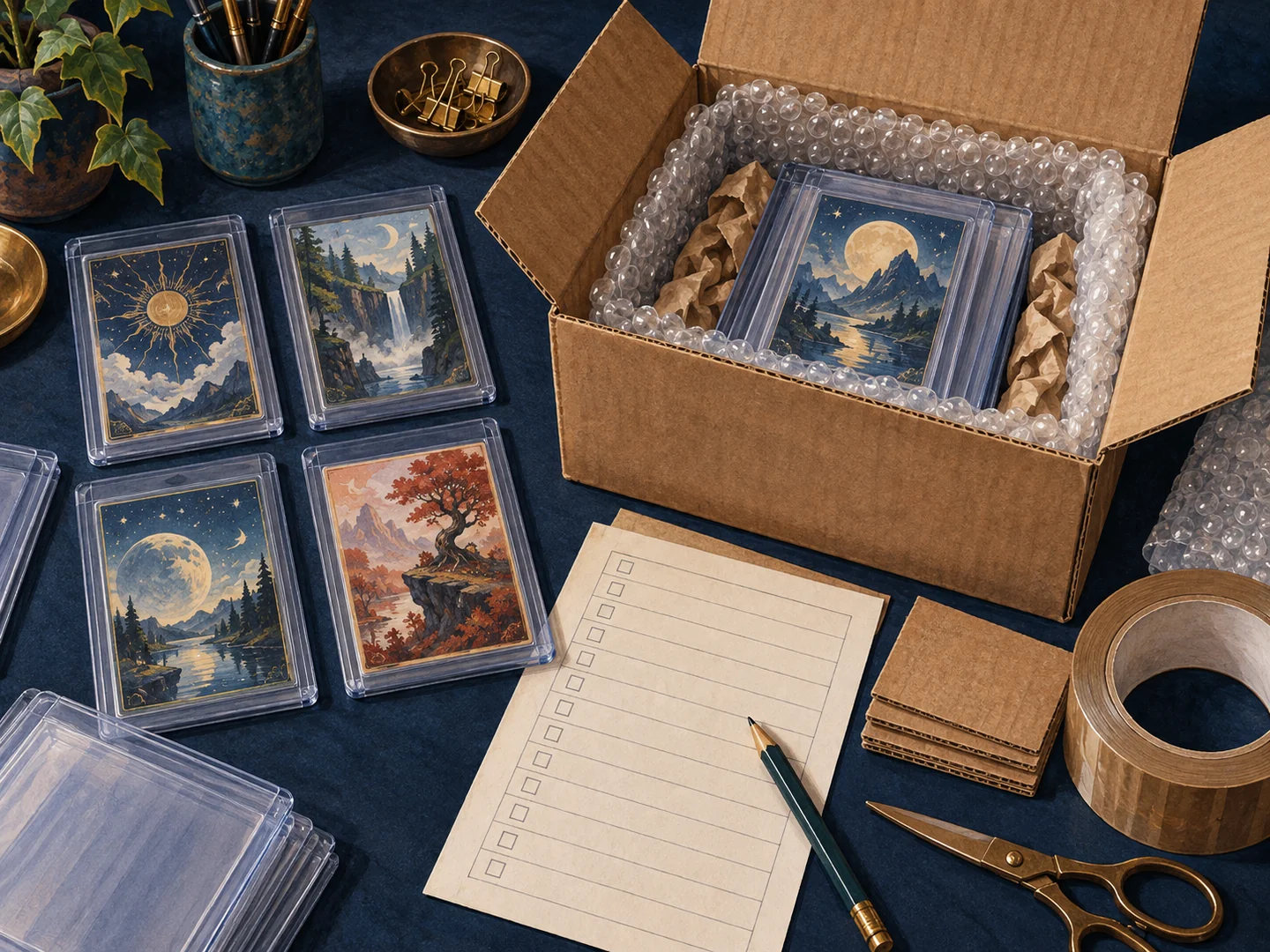
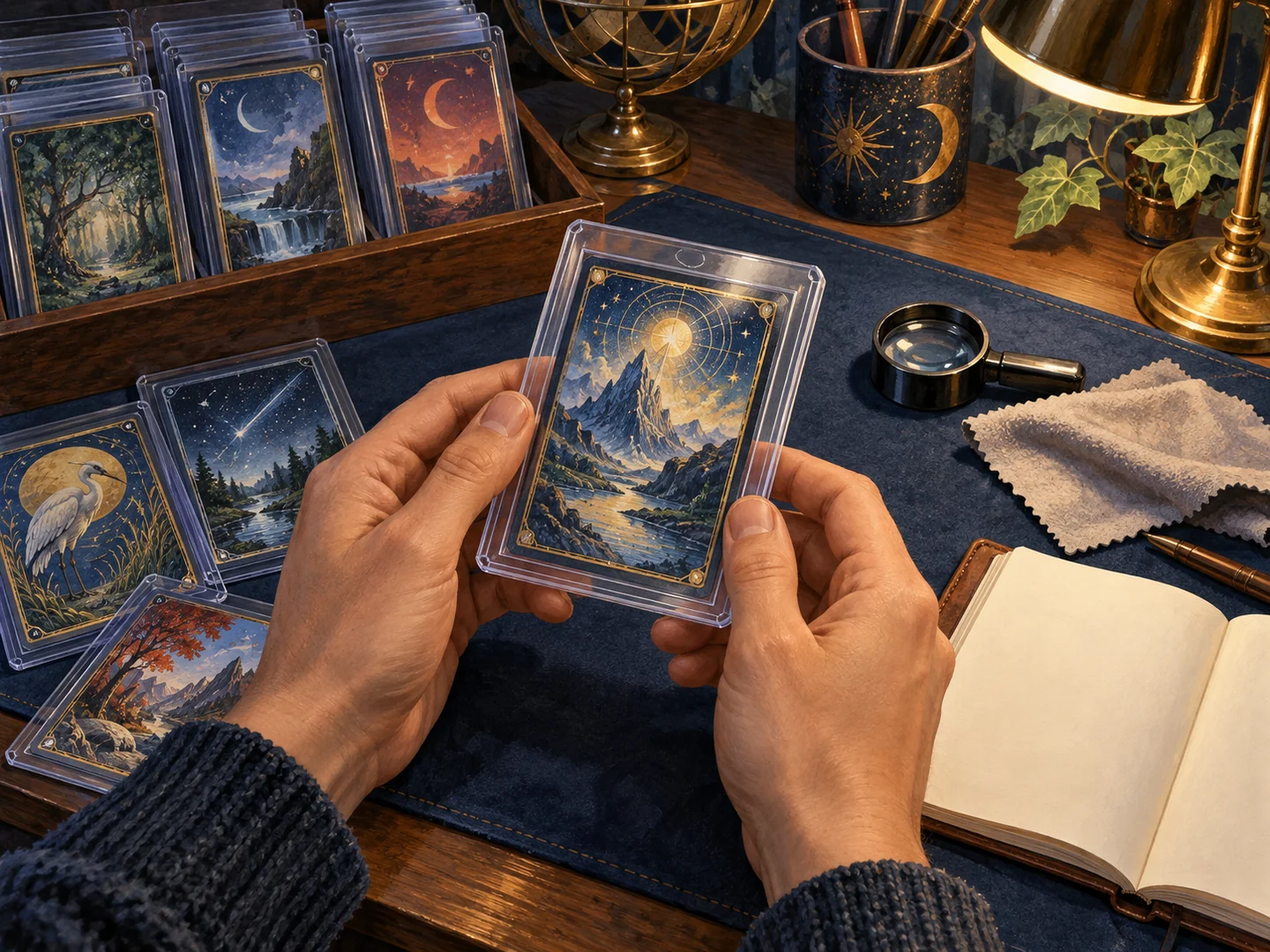
Make the collection your own.
Original guides, thoughtful examples and questions to take with you.

Pack weighing, and the question of trust.
What should a seller disclose when the uncertainty of a sealed pack is part of its appeal?
Read more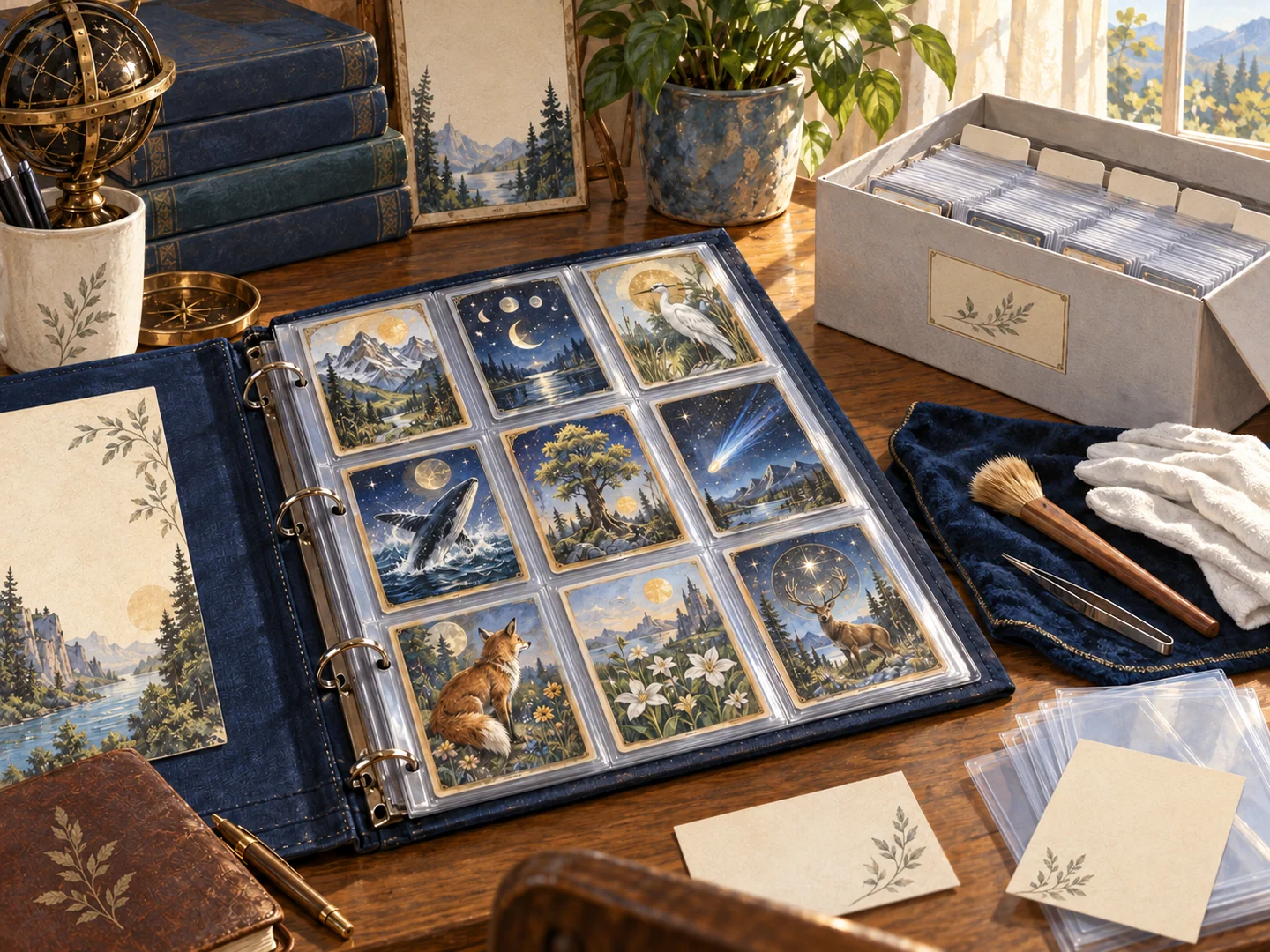
Keep the cards. Keep the memories.
Small habits that make a collection easier to handle and document.
Read more
The note you will be glad you kept.
A few lines can preserve the part of a collection a catalogue cannot describe.
Read more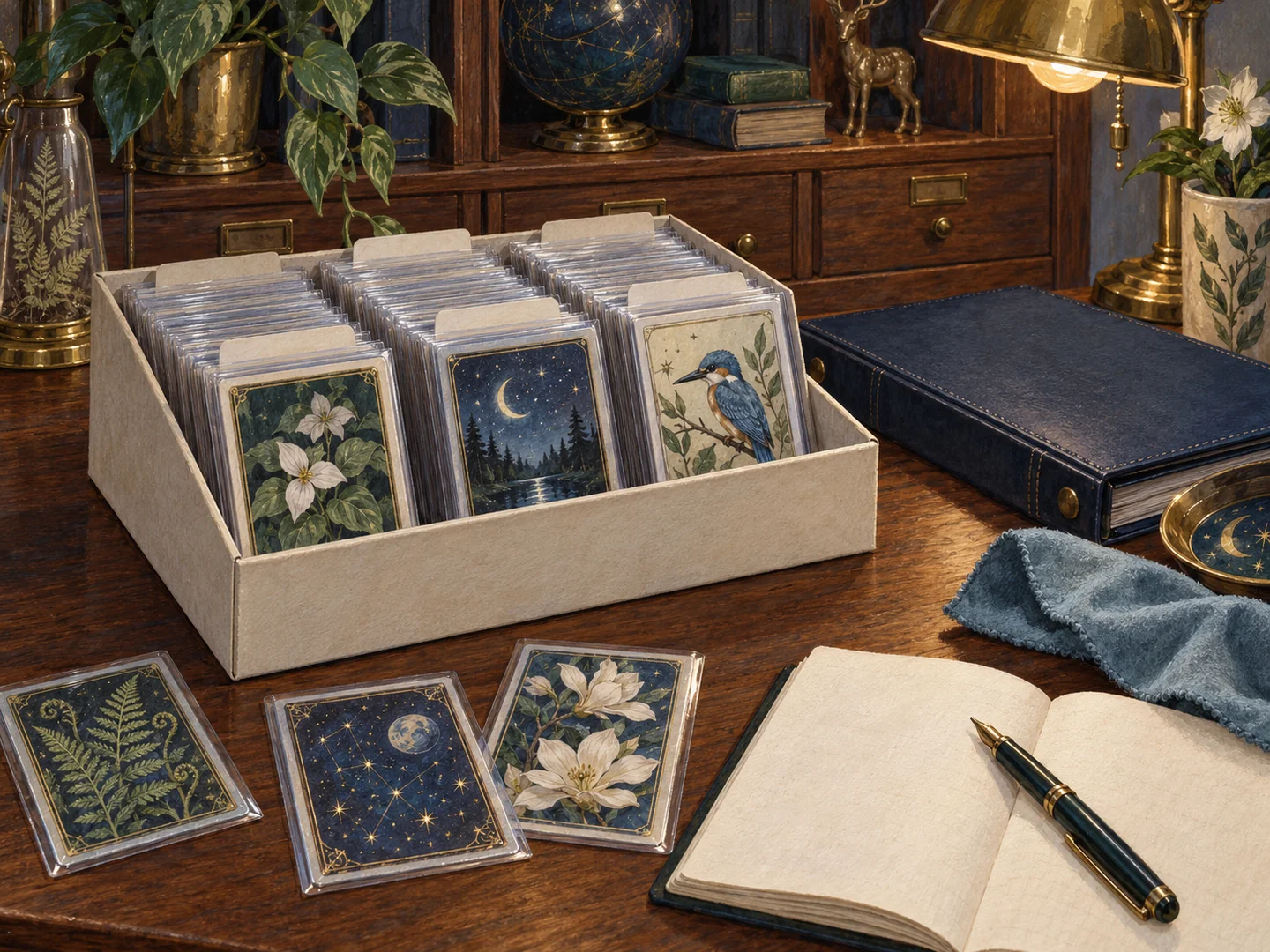
The details make the difference.
Learn what to look for before a submission, how to record a collection and why a good question can matter more than a headline.
Start with gradingWorth a closer read.
Trading Card Grading Scales: How Numbers, Labels and Subgrades Compare
Trading card grading scales may assess similar condition features, but their numbers, labels and reporting methods are not automatically interchangeable. Compare the complete label using the issuer’s definitions.
Read more ↗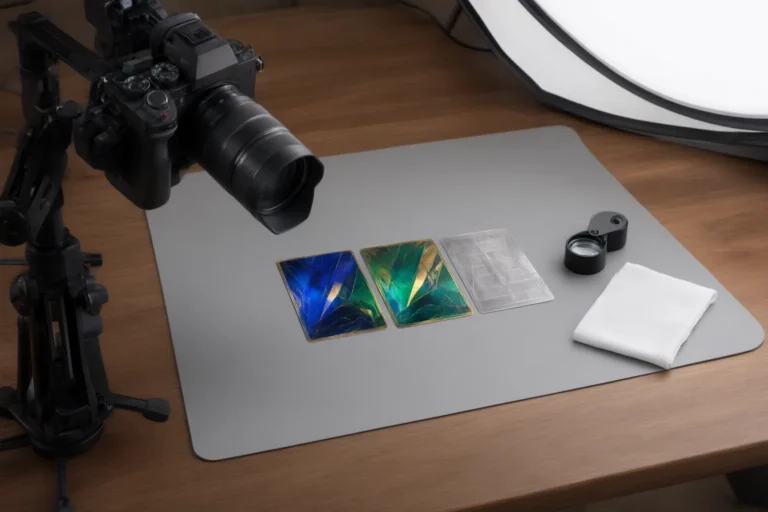
How to Take Trading Card Condition Photographs for Reliable Records
Create reliable trading card condition records with stable framing, even lighting, complete front and back photographs, useful defect close-ups, full-size review, restrained corrections, and a stable identifier for…
Read more ↗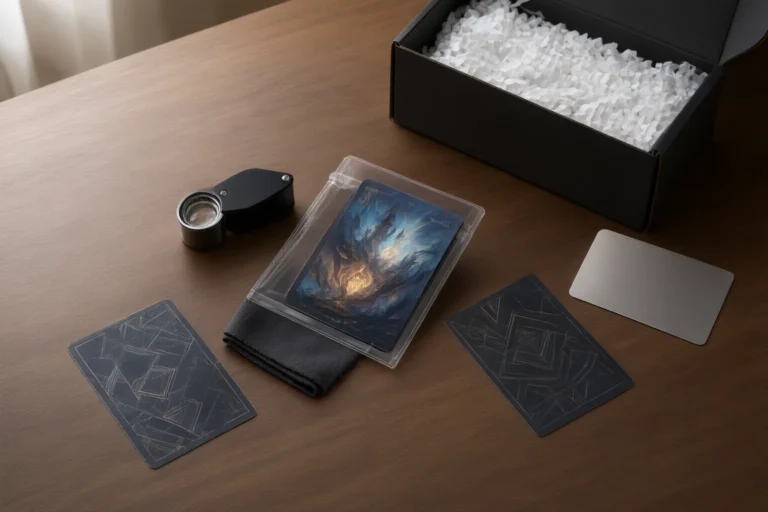
Trading Card Seller Checks: A Safer Online Buying Guide
Learn a repeatable process for reviewing a seller’s track record, verifying the exact card or sealed product, using protected payment services, saving transaction records, and inspecting the delivered…
Read more ↗The latest reads.
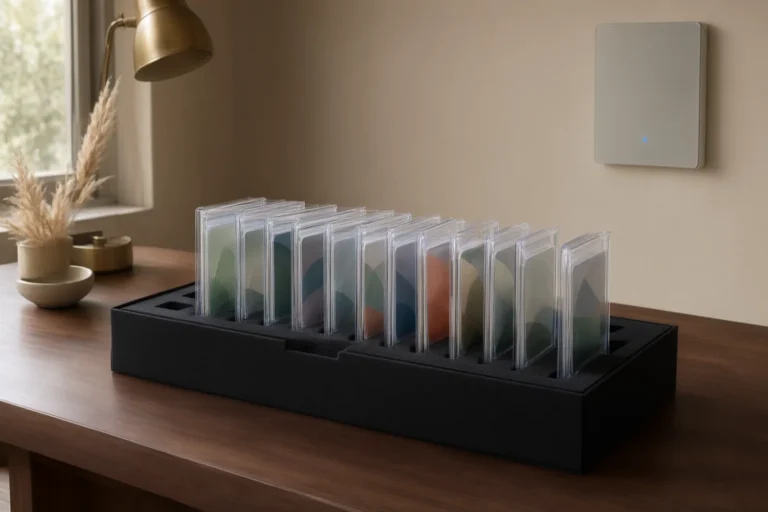
How to Protect Trading Cards from Temperature Fluctuations in Storage
Keep trading cards in a stable, conditioned indoor location away from sunlight and heat sources. Use layered protection and inspect cards regularly for curvature, rippling, adhesion, and warped…
Read more ↗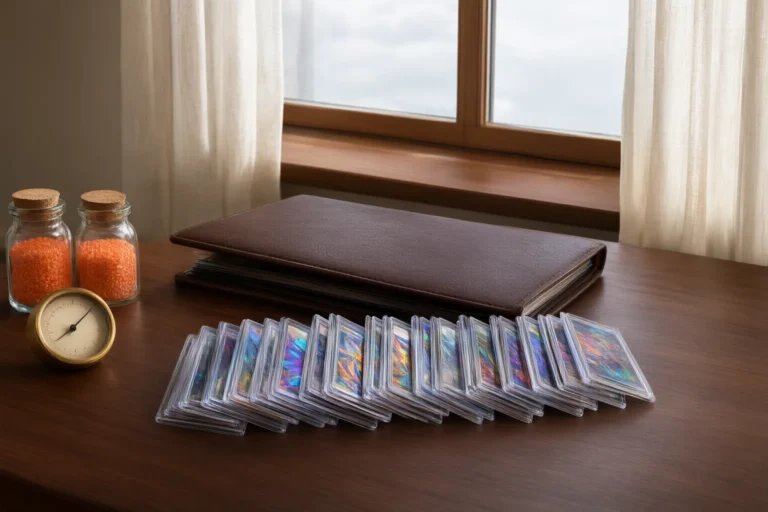
How to Protect a Trading Card Collection from Leaks, Floods and Damp at Home
Reduce water risks around a trading card collection by inspecting likely entry routes, addressing roof and drainage problems, improving leak detection and preparing a limited response for indoor…
Read more ↗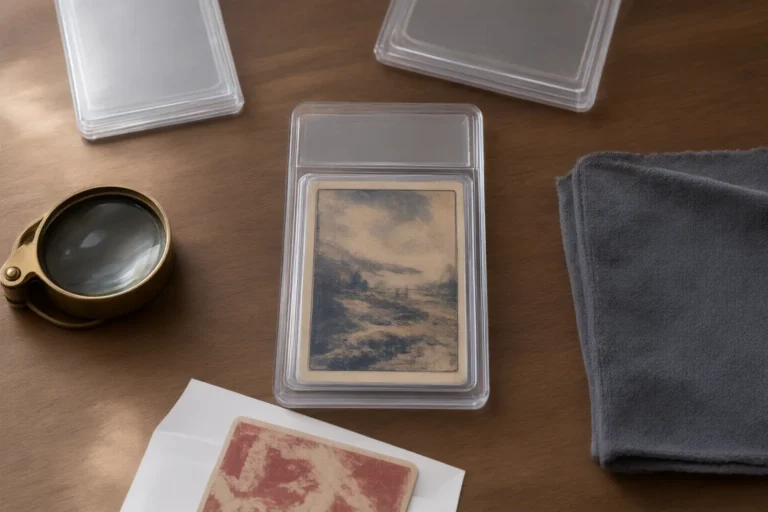
What an “Authentic” Label Without a Numerical Grade Means for Collectors
An “Authentic” label confirms that a card is genuine without assigning a numerical condition grade. Learn why a number may be absent, how “Authentic Altered” differs, and what…
Read more ↗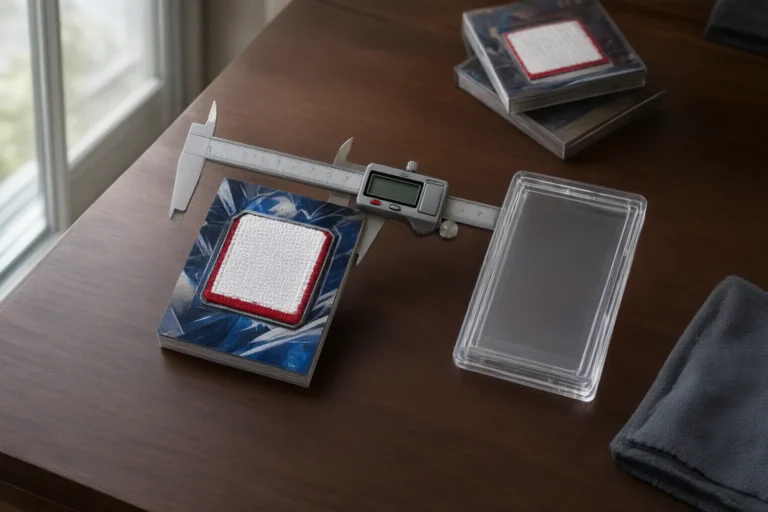
How to Check Whether Thick Memorabilia Cards Fit a Grading Company’s Standard Holders
Measure the card’s point thickness, identify its physical format, inspect its condition, and compare those details with the grading company’s current holder and submission guidance.
Read more ↗
Reholder, Review and Crossover Services: Practical Differences for Collectors
Reholder generally replaces an existing holder, review or regrade requests another assessment, and crossover seeks to move an encapsulated item from another grading company. Compare the routes, document…
Read more ↗
What to Check When a Slab Label and Official Certification Record Do Not Match
Verify the printed certification number independently, compare the official record with the card, label, barcode and holder, and document discrepancies without opening or altering the slab.
Read more ↗