Category: <span>Grading</span>
Condition inspection, grade interpretation and official certification checks.
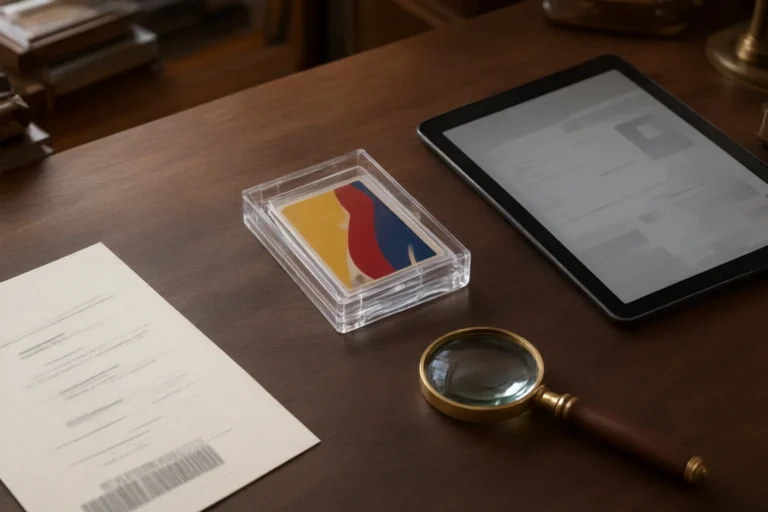
What to Check When a Slab Label and Official Certification Record Do Not Match
Verify the printed certification number independently, compare the official record with the card, label, barcode and holder, and document discrepancies without opening or altering the slab.
Read more ↗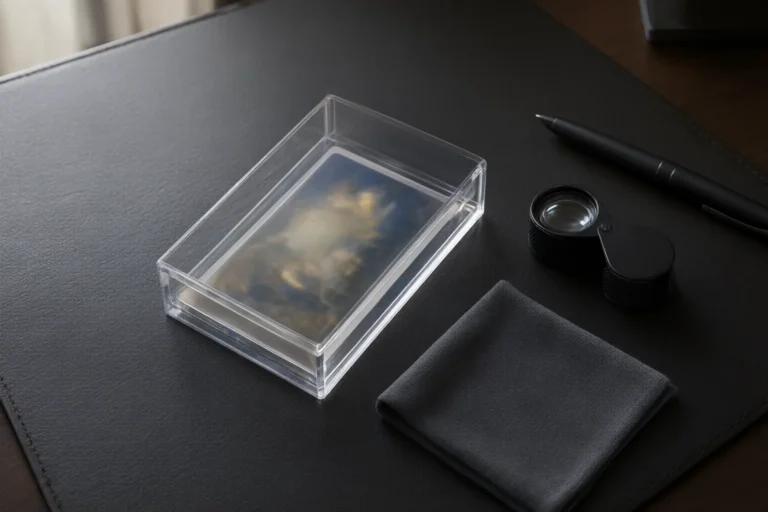
How to Check a Slab’s Certification Number Against Official Records
Enter the slab’s certification number into the grading company’s own verification resource, then compare every available record field with clear, current photographs of the card, label and holder.…
Read more ↗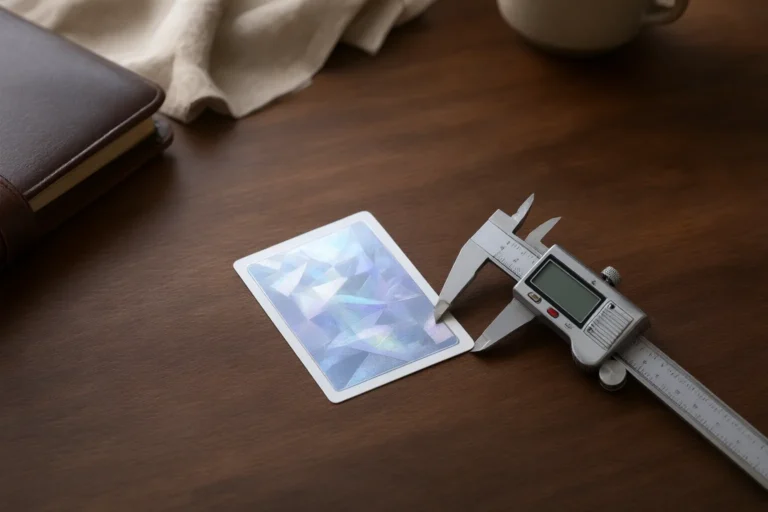
How to Interpret a Minimum Size Requirement Result for an Ungraded Trading Card
Record the result exactly as issued, identify the grading company and consult its current official documentation before drawing conclusions about grade, authenticity, dimensions, eligibility or value.
Read more ↗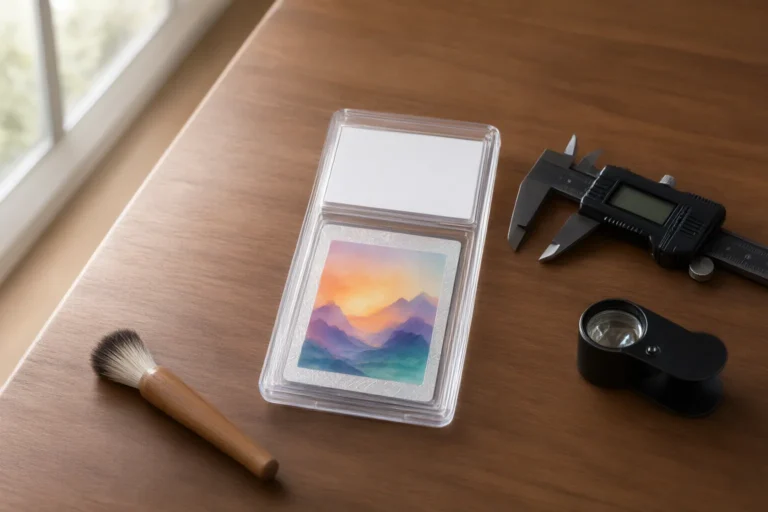
What an Altered or Trimmed Designation Means on a Grading Label
An altered or trimmed designation can separate authenticity from condition. Learn what non-numerical label wording may mean, how trimming differs from a factory miscut, and which checks to…
Read more ↗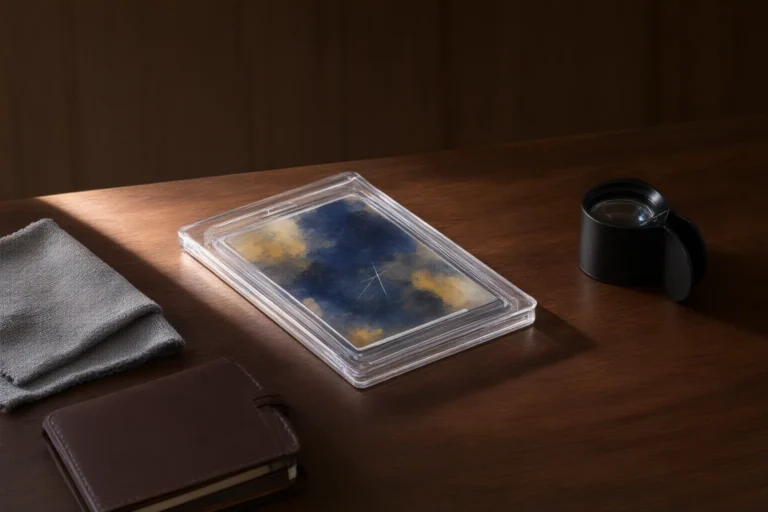
How to Check Whether a Scratch Is on a Graded Card or Its Holder
Learn how to examine a scratch-like mark through a sealed graded-card holder using oblique light, slow rotation and magnification, and how to document ambiguous results without assuming which…
Read more ↗How to Assess Edge Chipping Without Mistaking a Card’s Printed Design for Damage
Inspect all four card edges for interrupted ink or coating, exposed core material, raised fibres, and changes under directional light. Record ambiguous marks instead of judging them from…
Read more ↗Trading Card Grading Scales: How Numbers, Labels and Subgrades Compare
Trading card grading scales may assess similar condition features, but their numbers, labels and reporting methods are not automatically interchangeable. Compare the complete label using the issuer’s definitions.
Read more ↗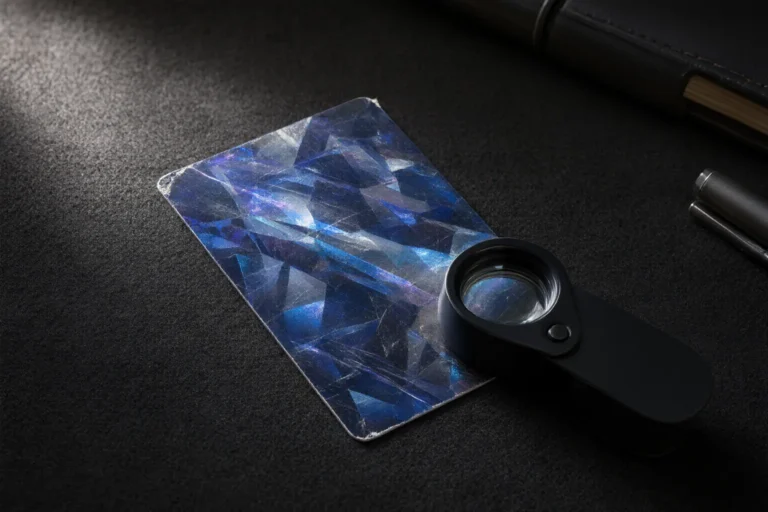
Card Surface Flaws: How to Find Marks and Understand Grading Limits
Inspect both sides of a trading card under moving angled light, use magnification for subtle marks, and document each flaw without treating a home grade estimate as a…
Read more ↗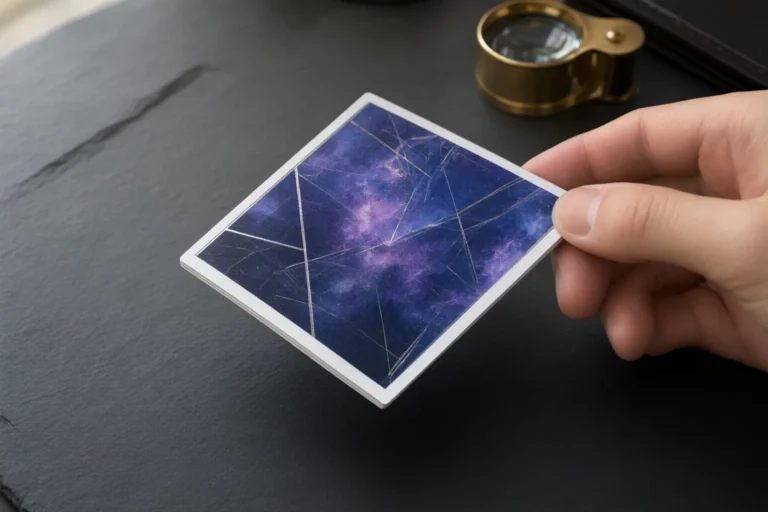
Trading Card Centering Explained: How to Inspect Borders and Read Ratios
Trading card centering compares the printed design with the card’s physical borders. Learn how to inspect left-right and top-bottom alignment on the front and reverse, estimate each ratio,…
Read more ↗