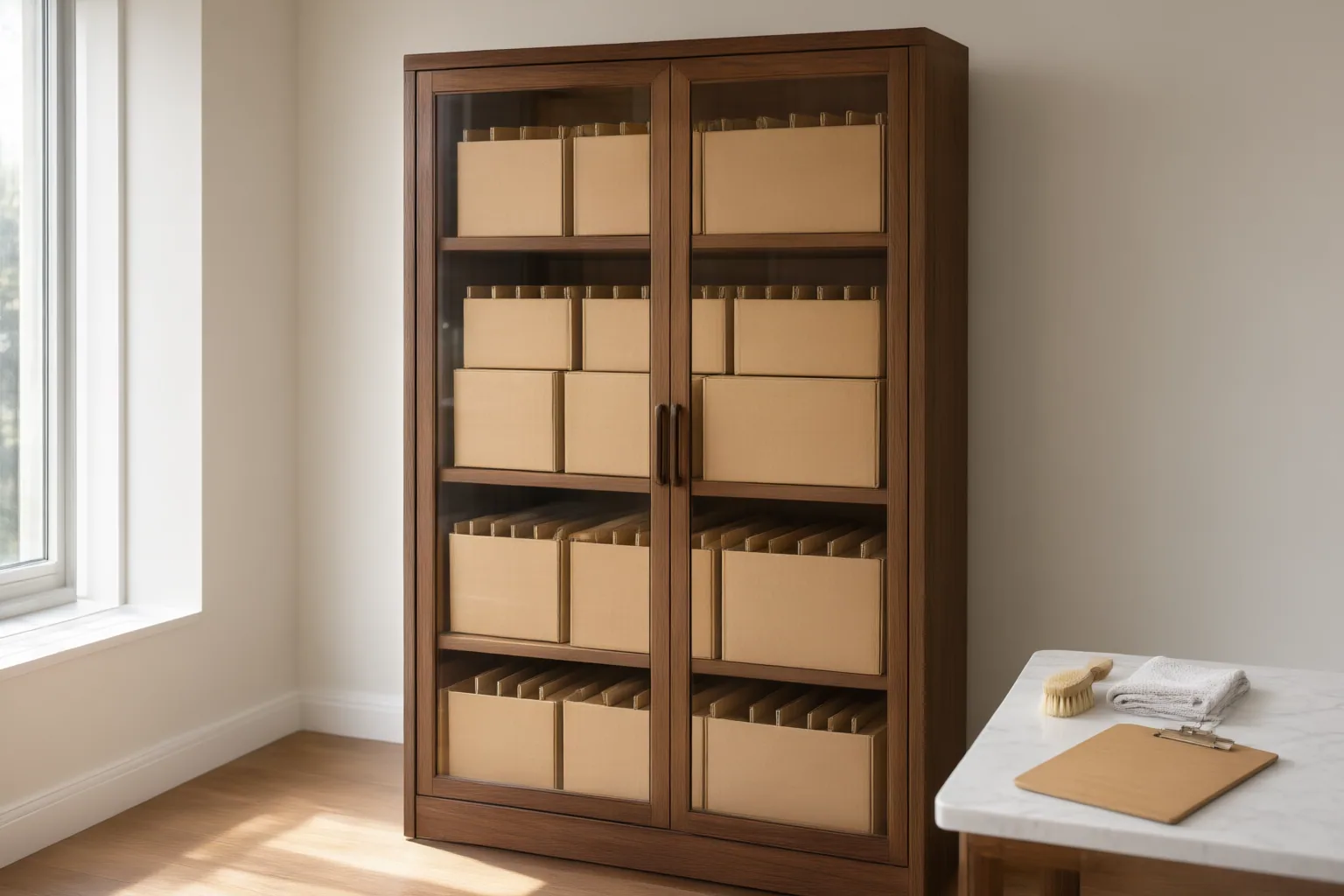
Collectors can reduce pest damage risks by inspecting arrivals before storage, monitoring quiet areas, keeping dated records, limiting access routes, and maintaining good housekeeping. These prevention-first measures adapt integrated pest management principles to a private collection without assuming that any pesticide is safe for cards, boxes, or cabinets.
Recognise the pests and warning areas
Several pests may threaten collection materials or their surroundings. The museum-focused guidance identifies silverfish, booklice, clothes moths, carpet beetles, wood-boring beetles, termites, and rodents among the relevant groups. Correct identification matters because different pests and affected materials may require different responses.
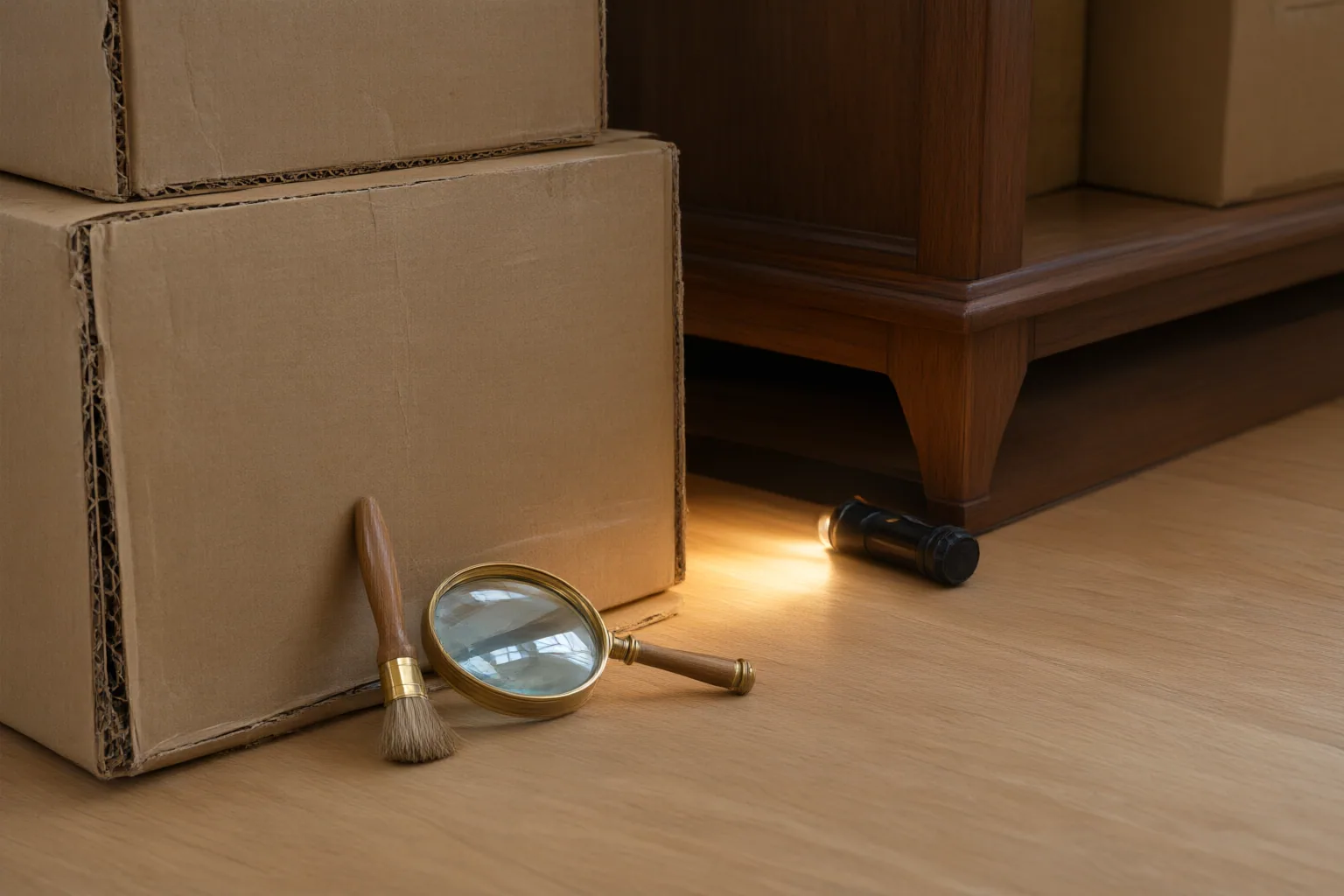
Apply this institutional guidance proportionately at home by concentrating inspections where pests may enter or remain unnoticed. Priority locations include storage and display areas, floors, wall edges, doorways, windows, drains, and other quiet spaces. Check around and beneath cardboard boxes and along display-cabinet edges rather than looking only at visible card surfaces. The aim is to notice access or activity early and establish where closer monitoring is needed, not to assume that every mark or insect indicates collection damage.
Inspect arrivals before they reach the collection
New acquisitions, returned objects, deliveries, and packing materials can provide an introduction route for pests. Avoid placing unchecked arrivals directly beside established storage or inside a display cabinet. Instead, inspect them in a separate area and keep them isolated from the collection until that initial check is complete.
Include the packaging in the inspection rather than examining only the collected item. Record the date, what arrived, and whether any possible activity was observed. If something requires further attention, this basic documentation helps preserve the distinction between an incoming concern and conditions already present in the collection area. This intake routine does not establish that an item is pest-free, but it reduces the avoidable risk created by moving unchecked objects and packing materials straight into storage.

Build a preventive monitoring and housekeeping routine
Integrated pest management combines routine inspection, pest identification, documentation, building exclusion, environmental management, housekeeping, and targeted treatment. For a private collection, that supports a simple prevention-first routine rather than primary reliance on pesticides.
Inspect boxes, cabinets, floors, wall edges, doors, windows, drains, and other quiet locations on a regular schedule. Keep dated notes so that later observations can be compared with earlier ones, and identify a pest before selecting a response. Housekeeping and attention to structural access points should form part of the same routine because collection materials may offer food or shelter, while pests may enter through openings or arrive with deliveries and packing materials.
Monitoring should cover both stored and displayed material. A cabinet does not remove the need to check its edges or the surrounding room. If activity is found, document its location and extent before escalating. Treatment choices should account for the materials involved and, where appropriate, be coordinated with a conservation professional.
Conclusion
Prevention begins with controlled intake, repeated inspection, identification, records, exclusion, environmental management, and housekeeping. The supplied evidence does not establish that any particular pesticide is safe for trading cards, cardboard boxes, or display cabinets. If chemical control is considered, follow the product label’s handling, application, protective-equipment, and environmental precautions; favor targeted spot treatment over blanket spraying; and seek material-specific professional guidance when needed.
Start today by inspecting incoming items and their packing materials separately. Then create a dated monitoring record for the quiet edges around boxes, cabinets, doors, and windows.
Disclosures and limitations
- This article was prepared with AI assistance from the supplied research package. Its guidance synthesizes a museum pest-management source and a general pesticide-safety supplier source; the latter is not official UK regulatory guidance.
- No products are recommended here. Any future product recommendation or affiliate relationship should be clearly disclosed and supported by evidence specific to the collection materials involved.