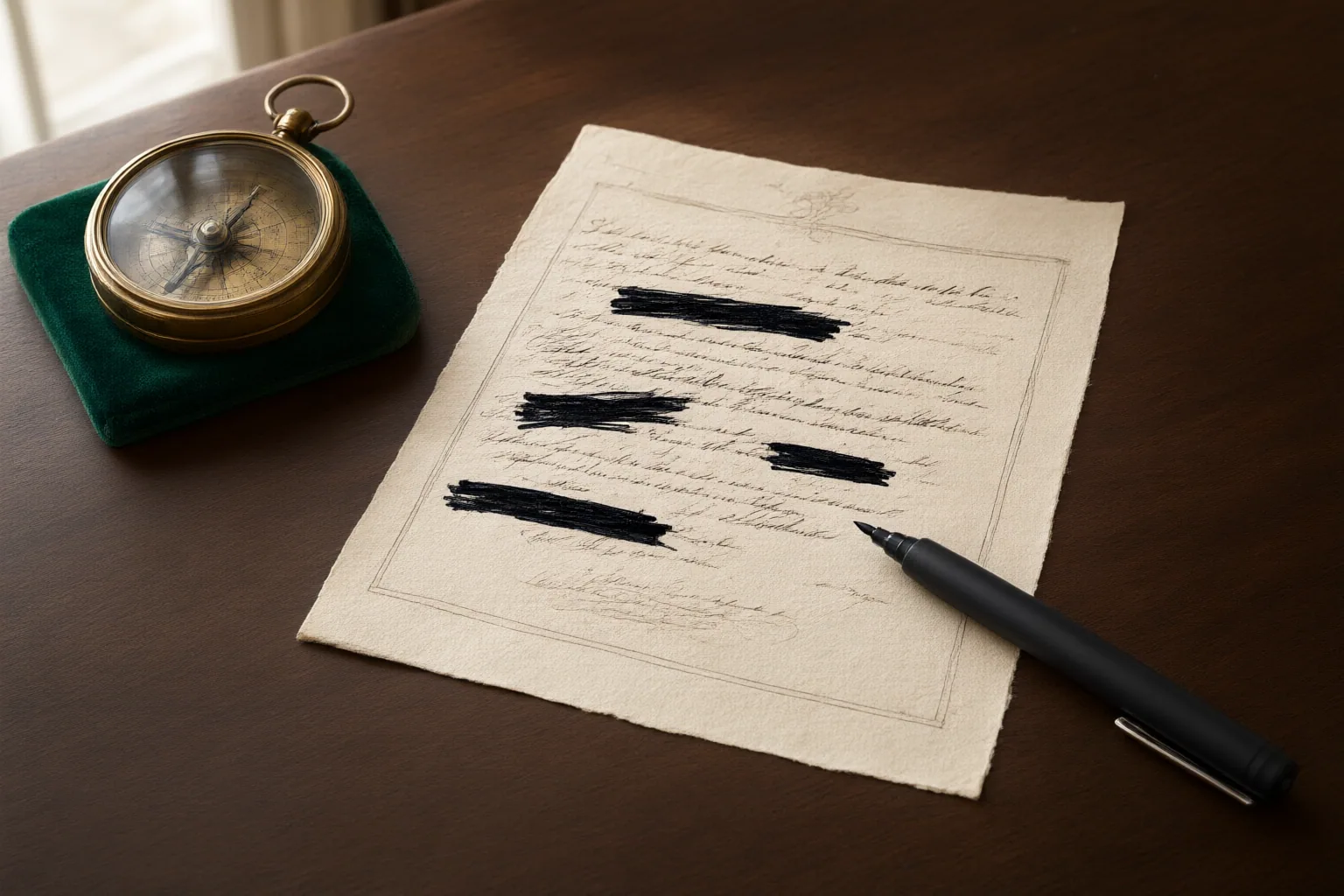
Preserve the dates, acquisition source, transaction evidence, item details, and non-identifying ownership chronology that explain a collectable’s history. Redact names, home addresses, contact details, and other identifiers when they are unnecessary. This data-minimisation approach protects privacy without stripping the record of its evidential value.
Why provenance and privacy can coexist
Provenance records where an item came from and how it was acquired. A documented acquisition history can preserve context and help when later authentication questions arise, but those purposes do not always require disclosure of a previous owner’s identity.
A privacy-conscious record can retain the structure of an item’s history—when it was acquired, where it came from, and how custody changed—while removing unnecessary personal information. In a different context, vehicle-history reports demonstrate this distinction by conveying owner counts, registration locations, transfer dates, title events, and usage types without publishing owners’ names or home addresses.
For collectables, this supports a practical data-minimisation approach: retain information that explains the transaction, chronology, and chain of custody, but avoid circulating identifiers that add no necessary provenance value. This is a practical synthesis of the supplied sources, not a GB-specific legal standard.
What to preserve in a useful provenance record
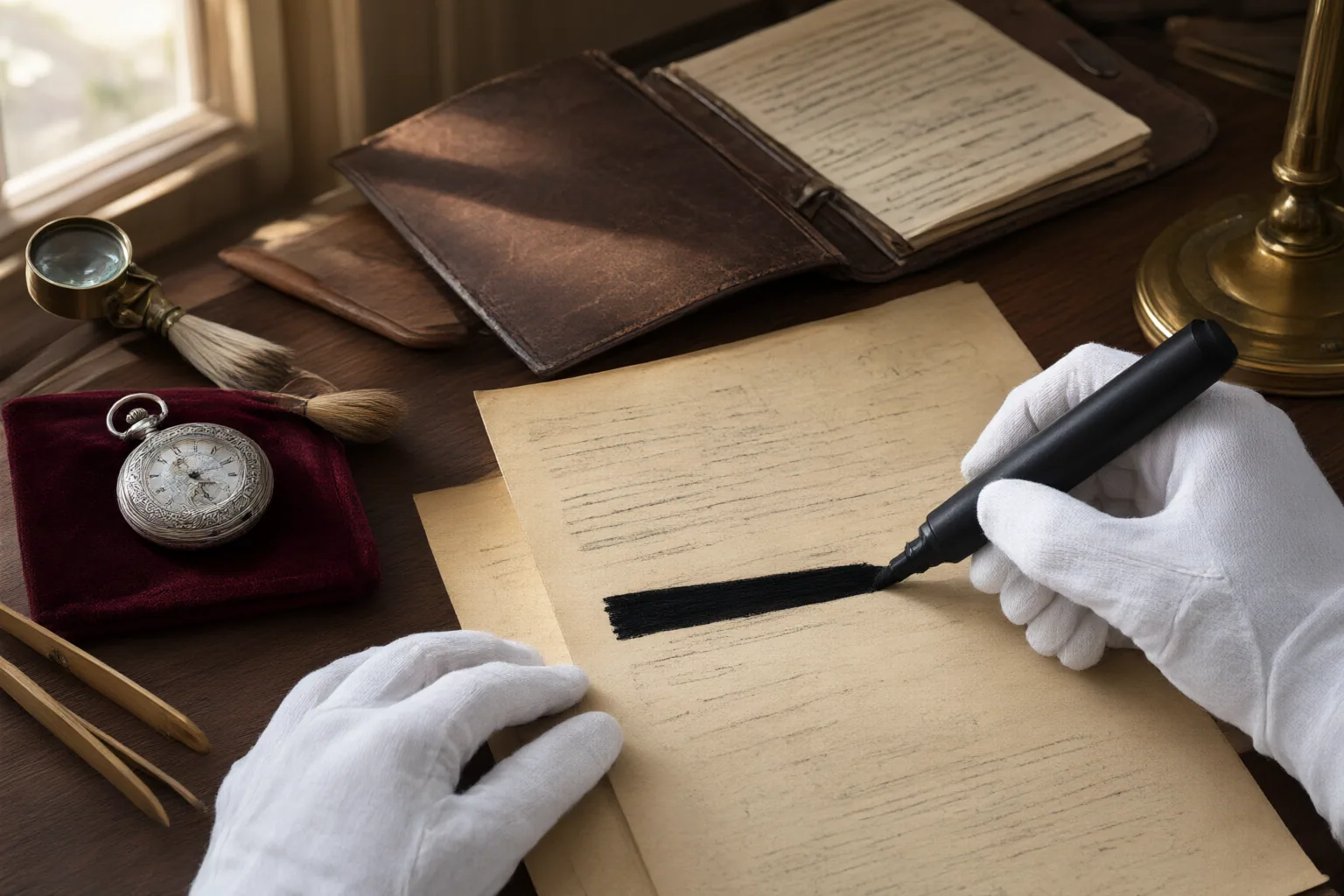
Start with the core acquisition details: the date and source of acquisition, an accurate item description, and any transaction record connecting the item to that event. Depending on the collectable and the authentication questions it may raise, a more detailed file may also retain certificates, relevant historical ownership information, publication or exhibition references, and conservation history.
Keep enough chronology for a later reader to understand changes in ownership or custody. Useful non-identifying entries might state that an item transferred on a particular date, came through a named business or public sale when supported by the record, or moved from one broad location to another. The vehicle-history example indicates that transfer events and general locations can remain informative even when individual identities are withheld.
Documentation depth should reflect the collection’s needs. Authentication-sensitive items may warrant a fuller evidence file, but adding more personal data is not the same as adding better evidence. Prioritise records that connect a specific item to an acquisition, transfer, publication, exhibition, certificate, or conservation event.
What to redact and how to avoid losing context
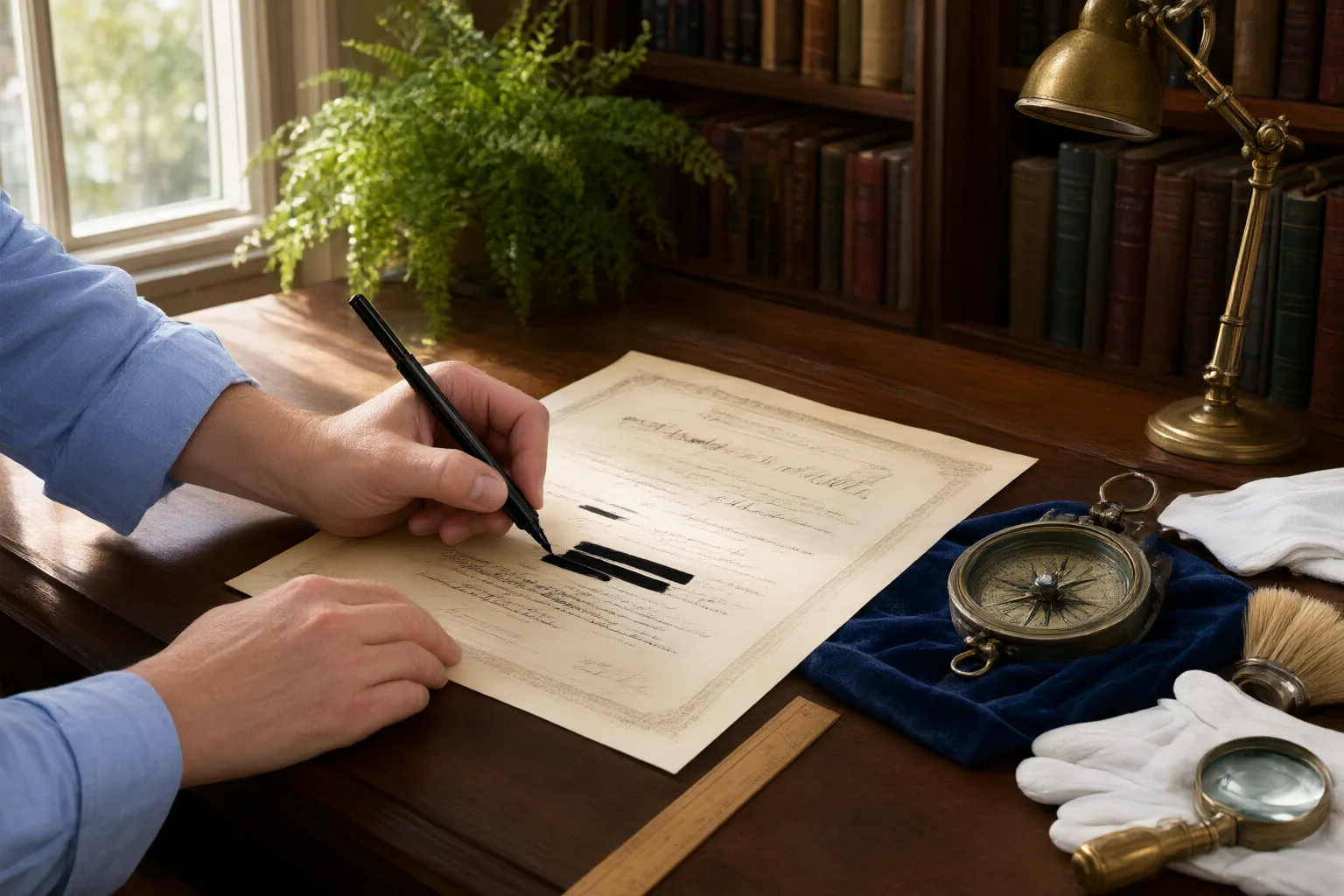
Review each record field by field. Where an identifier is unnecessary to explain the item’s history, redact the previous owner’s name, home address, telephone number, email address, and comparable contact information. Retain supported item descriptions, dates, transaction details, transfer events, certificates, and relevant non-identifying chronology.
Avoid deleting an entire document merely because one section contains personal information. That can also remove the acquisition date, sale details, item description, or part of the ownership chain. A targeted working copy can preserve those elements while masking identifiers. If a broad location contributes meaningful context, it may be retained without exposing a precise home address.
Make redactions clearly visible rather than rewriting the document as though the removed details never existed. Keep the remaining chronology specific enough to be useful: a sequence such as “acquired from a private collection in 2019” conveys more history than an unsupported statement that the item had a previous owner. Do not add missing dates, locations, identities, or transfers. Where appropriate, keep an unedited original securely and limit the privacy-conscious copy to information needed for provenance review or sharing.
Conclusion
Useful provenance and personal privacy are compatible when the record focuses on evidence rather than identity. Acquisition dates and sources, transaction records, item descriptions, certificates, transfer chronology, and relevant historical references can preserve context without routinely exposing names, addresses, or contact details.
Provenance may support later authentication work, but it does not guarantee that an item is authentic. Treat it as one body of evidence and preserve uncertainty rather than filling gaps with assumptions.
Review one provenance record now: retain the evidence needed to explain its acquisition and ownership chronology, redact unnecessary identifiers from the sharing copy, and, where appropriate, store the unedited original securely.
Disclosures and limitations
- This article was prepared with AI assistance from the supplied Art2App collection guidance and Vehicle Databases vehicle-history material. The latter is used only as a general privacy analogy, not as collectables-specific or GB legal guidance. No product recommendation or affiliate offer is included.
Related reading
Sources
- How to Document and Prove Provenance for a Collection — Art2App
- How to Find the Previous Owner of a Car Easily and Legally — Vehicle Databases